Coffee as a Solution for Smallholder Prosperity
International Coffee Day is a great time to enjoy your favorite morning drink. But this year, the day means much more than just a good cup of coffee. The 2026 theme has a clear message: “Coffee is Part of the Solution: Building Prosperity Through Collaboration.”
On the slopes of Mount Kenya, this is a daily reality.
Farming in Kirinyaga County is hard work. Farmers face high costs for fertilizer. The weather changes fast. Global market prices jump up and down. A single farmer with a few hundred trees cannot fight these problems alone. They do not have enough coffee to export by themselves. They cannot demand better prices from overseas buyers.
That is why farmers team up.
The Kirinyaga County Co-operative Union (KIRICOP) brings together 120,000 small farmers. By working together, they combine their small harvests into a massive, reliable supply chain.
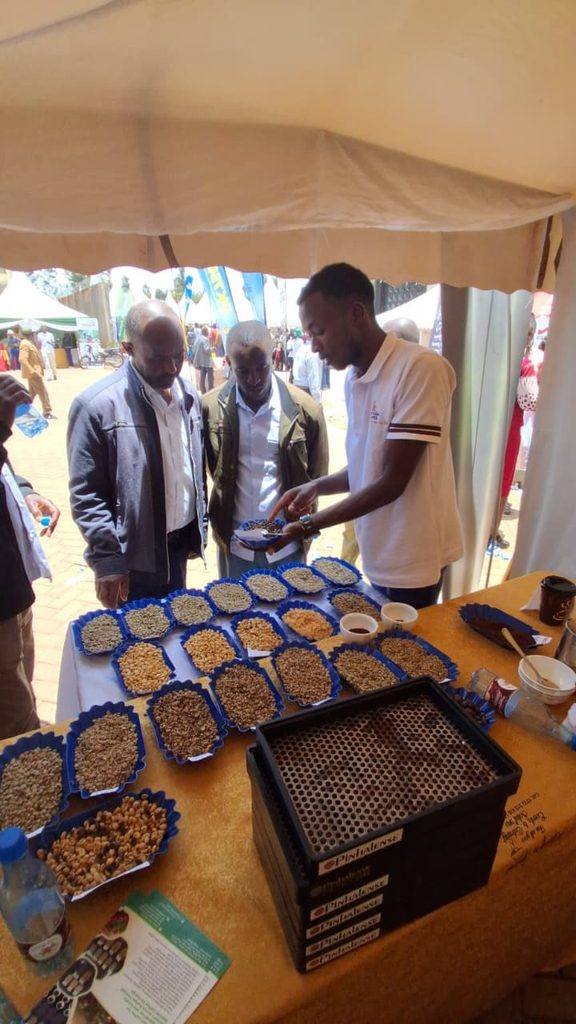
For coffee roasters, this cooperative model is a huge win. You get direct access to amazing coffee that scores 87 points or higher. At the same time, your money goes straight to the farming villages.
When buyers and farmers work together, coffee stops being just a basic crop. It becomes a real way to build long-term wealth for local families.
The Kirinyaga Context — Small Farms, Great Potential
To understand coffee in Kirinyaga, you have to look at the farms. Most people here farm on very small plots of land. A normal farm is just half an acre to two acres. A family might grow between 200 and 500 coffee trees.
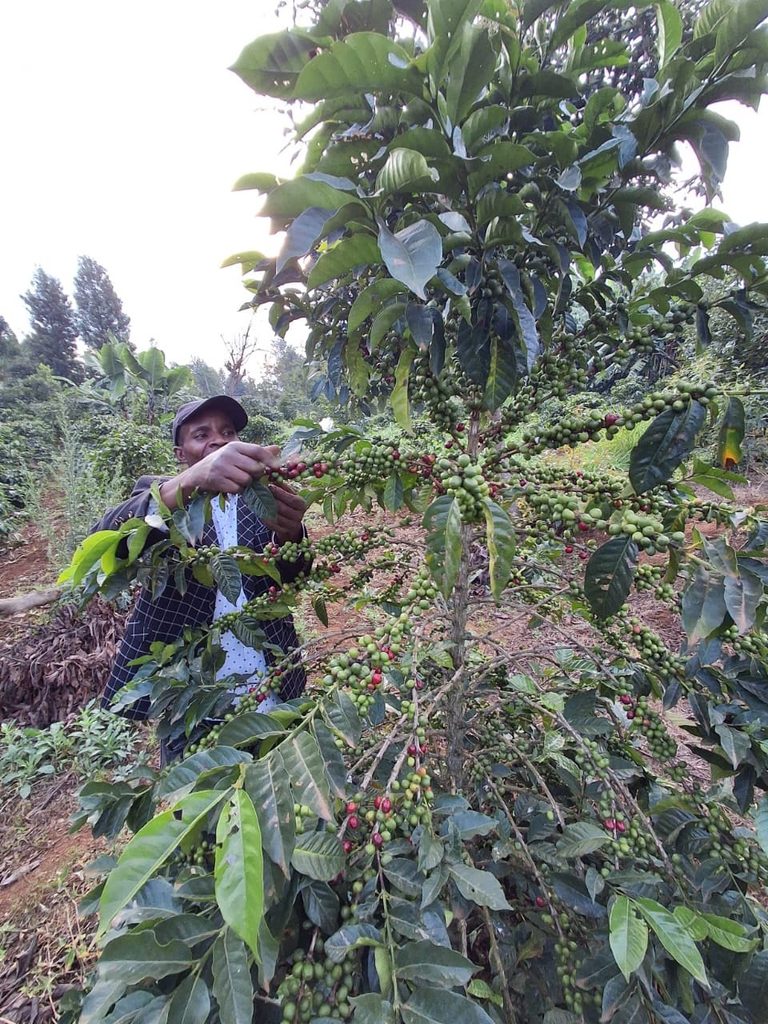
Growing coffee on a small farm makes it hard to sell. One farmer only makes a few bags of green coffee each year. That is too small to ship across the ocean. Small farmers cannot pay for export licenses. They cannot afford to fly to Europe or America to meet buyers. Without a direct link to roasters, they have to take whatever local buyers offer.
The union model fixes this problem.
Farmers pick their cherries and take them to a local factory. The factory mixes the harvest from thousands of neighbors. KIRICOP groups all this coffee together. Suddenly, one family’s small harvest becomes part of a huge lot of premium coffee. This gives the farmers real bargaining power. The union can sit down with international buyers and negotiate as equals.
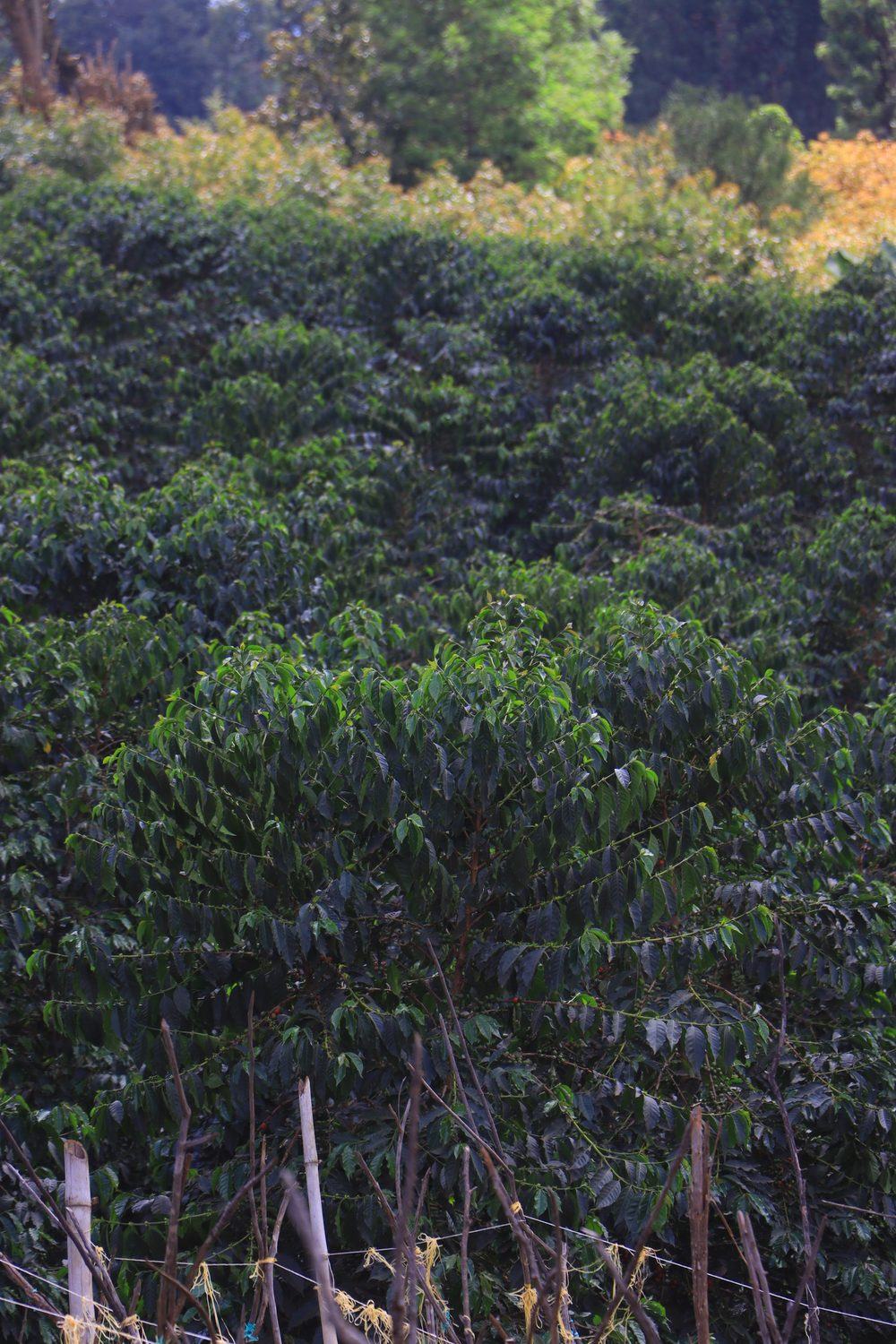
Kirinyaga is the perfect place to grow coffee. The farms sit high on Mount Kenya, up to 1,900 meters above sea level. The soil is red, volcanic, and rich in nutrients. Cool nights slow down the growth of the cherries. This packs the beans with sugar. Fresh mountain rivers provide clean water for washing the coffee.
Nature gives us a great start. But working together turns that great coffee into real market power.
What is Collaborative Sourcing? Breaking Down the Direct-Trade Model
For a long time, Kenya sold most of its coffee through a big auction. Buyers go to the Nairobi Coffee Exchange to bid on coffee every week. The auction is public and fair. But it does not always help small farmers. Global prices swing wildly. If the market crashes, farmers lose money, even if their coffee tastes incredible.
Direct trade offers a better way. We call this the “Second Window.” The law allows unions like KIRICOP to sell coffee straight to overseas roasters.
Here is how it works.
A coffee roaster contacts KIRICOP. They do not buy a random bag from an auction house. Instead, they build a direct relationship with us. We match the roaster with a specific local factory, like Baragwi or Rungeto.
Both sides agree on a contract. They set a fair price based on how good the coffee tastes, not just the stock market. This price stays locked in. The roaster gets a steady supply of great coffee. They also know exactly where it came from.
Direct trade cuts out the middlemen. In a normal supply chain, brokers and traders take a cut at every step. This leaves very little money for the farmer. Direct trade removes those extra fees. More money stays in the deal, and bigger payouts go straight to the farmers in Kirinyaga.
The Ripple Effect — How Direct Partnerships Build Local Prosperity
When roasters buy direct, the benefits go far beyond the cup. It changes daily life in our villages. More money stays in the local economy.
Higher Payouts for Every Kilogram
The most important number for a farming family is the cherry price. This is the money a farmer gets for every kilogram of fresh cherries they drop off at the factory.
In a normal trade model, fees and middlemen eat up the profits. The farmer gets very little. It barely covers the cost of living.
Direct trade changes this. Roasters pay more for high-quality coffee. Because the contract is direct, the union keeps more of that money. The factory then pays the farmer a much higher rate per kilogram. Farming turns from a struggle into a smart business.
Reinvesting in Families and Farms
Higher payouts do more than clear old debts. They help families plan for tomorrow.
With better earnings, parents can pay school fees easily. Families can afford medical care without selling their cows or tools.
The money also goes back into the dirt. Farmers buy good compost and natural fertilizers. They buy sharp tools to prune their trees. Better soil means a bigger harvest next year.
At the factory level, the union uses the profits to buy better machines. We install water filters and build new drying beds. This keeps costs low and quality high.
Inspiring the Next Generation of Farmers
Many young people want to leave the village. They move to the city looking for office jobs. They view farming as hard, dirty work with bad pay.
Direct trade fixes this image. When young people see their parents making good money, they change their minds. They see coffee as a real career. They bring fresh energy and new technology to the farms. They use phones to track soil health. Direct trade keeps the youth invested in Kirinyaga’s future.
Quality Driven by Collaboration — Processing Excellence
Great coffee does not happen by accident. It takes hard work at every step. When farmers know they will get paid well, they take extra care of their crop.
Rewarding Better Harvests
Usually, a farmer gets a flat rate no matter how good their cherries are. This gives them no reason to sort their harvest carefully.
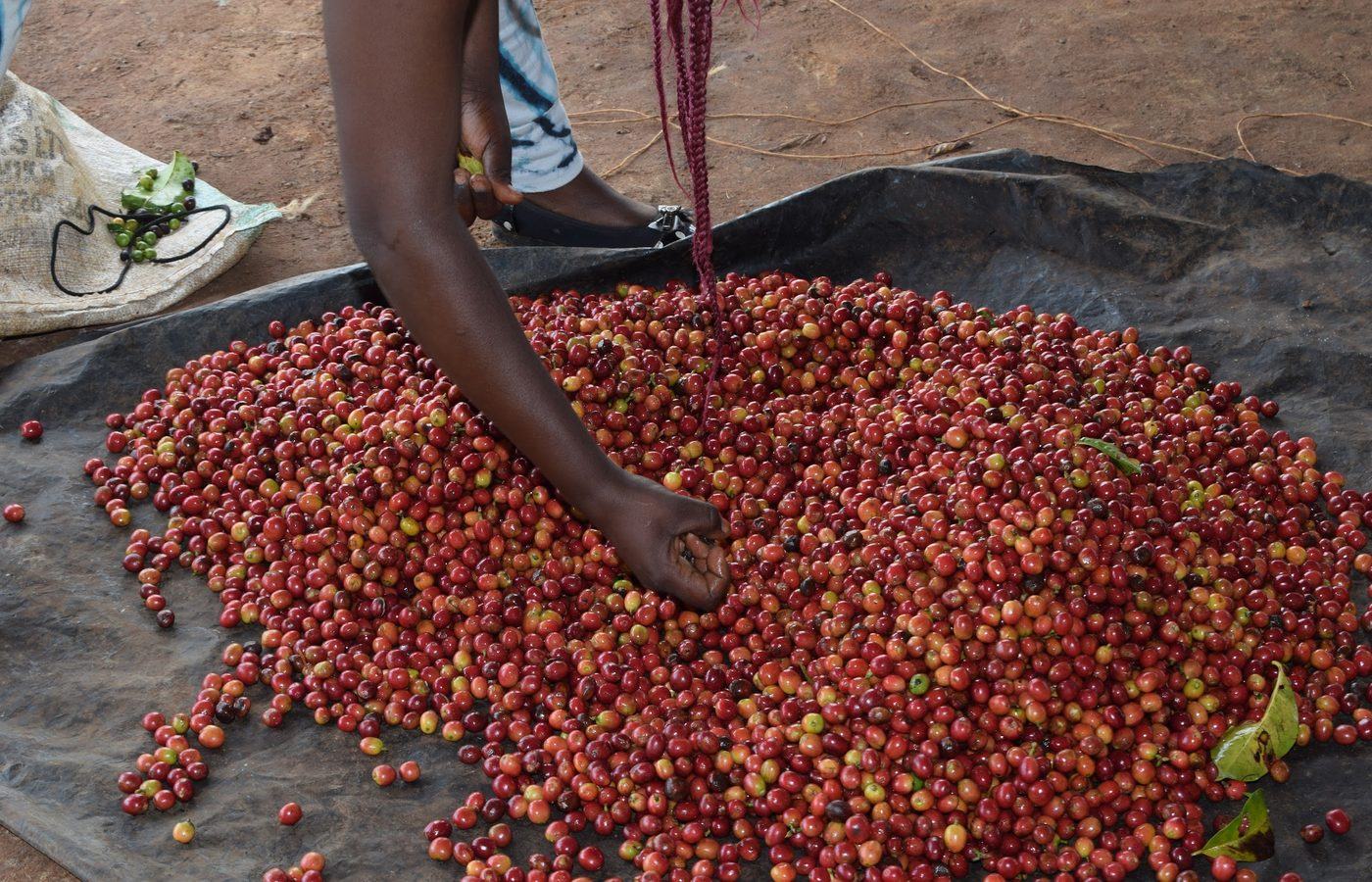
KIRICOP changes the rules. We pay more for top-tier lots. Factories reward farmers who bring in perfectly sorted cherries. Farmers hand-pick only the red, ripe fruit. They leave green or bad cherries on the tree. This simple step keeps bitter flavors out of your cup.
Field Training and Technical Support
Picking good cherries is just the start. The factory has to process them perfectly every single day.
KIRICOP hires expert agronomists. These experts visit the farms. They teach families how to prune branches and fight pests naturally. They also train the factory workers. Workers learn how to check water quality, time the washing tanks, and clean the machines. Everyone shares their knowledge to keep the coffee tasting great.
The Double Fermentation Standard
Kirinyaga coffee tastes clean and bright. That famous flavor comes from the Kenyan double-washing method.
First, we pulp the cherries to remove the skin. We put the wet seeds into dry concrete tanks for 12 to 24 hours. The natural sugars break down. Then, we wash the beans with cold mountain water. We leave them in the tanks for another 12 to 24 hours to ferment a second time.
Next, workers push the coffee down long water channels. The heavy, best beans sink. The lighter beans float away. We soak the heavy beans in fresh water for one more day. Finally, we dry them on raised wooden tables in the sun for two weeks. This careful work makes the coffee taste bright and fruity.
Union Dry Milling at Kimicha
After the coffee dries, we move it to our own mill in Kimicha.
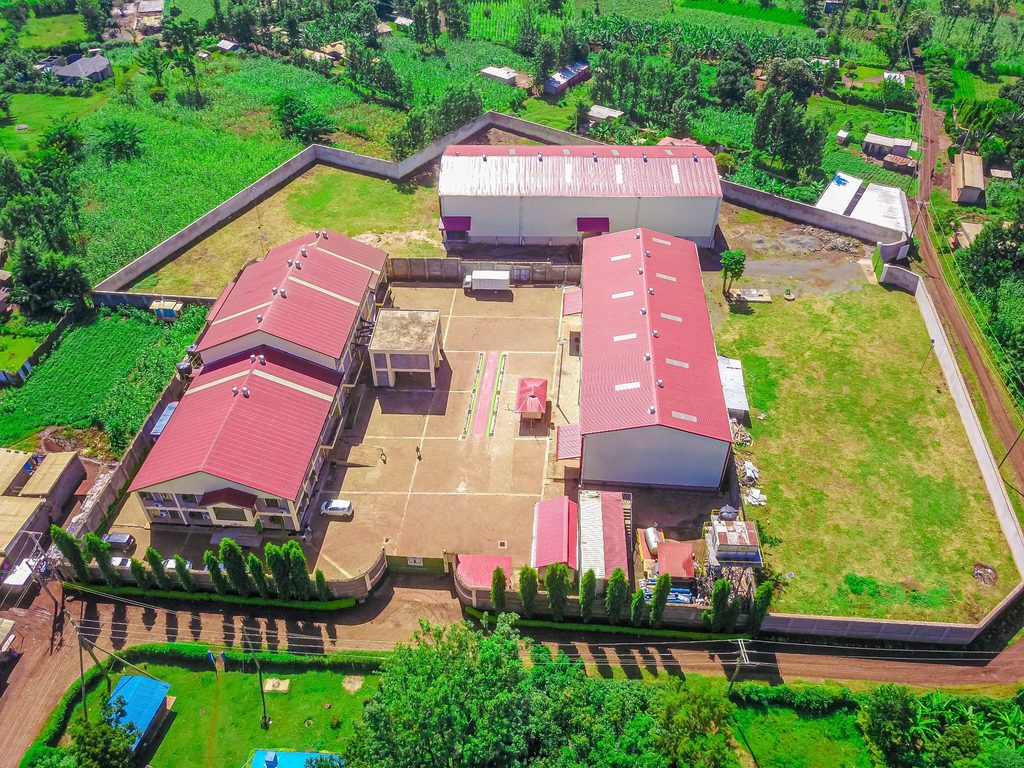
The Farmers own this dry mill. It help to keep the coffee separate and safe. A lot from one factory never gets mixed with another. We use modern laser machines to scan every single bean. The machine shoots out any bad beans. This guarantees that roasters get a perfect, clean bag of green coffee.
Environmental Stewardship — Protecting Mt. Kenya’s Watershed
You cannot grow good coffee in a bad environment. The weather is changing. Rains are hard to predict. We must protect our soil and rivers to keep farming alive.
Everyone has to help. Farmers, factories, and buyers all share the job of protecting the land.
Protecting Local Rivers and Water Quality
Washing coffee takes a lot of water. Our factories sit right next to mountain rivers. In the old days, factories used too much fresh water. Sometimes, dirty water washed back into the streams.
Today, KIRICOP factories do things differently. We reuse water. We pump the same water through the pulping machines again and again. This saves thousands of liters a day.
We also clean the water before it leaves the factory. The dirty water flows into deep pits. It runs through natural grass filters. These filters trap the fruit waste and clean the acids. Only safe, clean water goes back into the ground. The rivers stay fresh for the villages downstream.
Agroforestry and Soil Care
Our farmers do not cut down forests to plant coffee. Instead, they plant coffee trees under the shade of bigger trees.
Farmers plant tall trees like macadamia or native hardwoods around their coffee. These shade trees do three big jobs:
- Keep Things Cool: The big leaves block the hot sun. The coffee cherries ripen slowly. This builds sweeter flavors.
- Stop Erosion: The big tree roots hold the dirt in place. When heavy rain falls, the good soil does not wash away.
- Extra Cash: Farmers can sell the macadamia nuts. This gives the family extra money when it is not coffee season.
By saving water and planting shade trees, our farmers protect Mount Kenya while growing world-class coffee.
Practical Guide for Roasters — How to Partner with KIRICOP
It is easy to buy coffee directly from our farmers. KIRICOP runs a trade desk right here in Kerugoya. We make direct trade simple and clear for roasters of any size.
Step 1: Sampling and Evaluation
Everything starts with a taste test. You can ask our trade desk for sample boxes.
Our own quality experts cup every lot of coffee first. When you ask for samples, we pack them in small tins and air-mail them to your roastery. You can roast and taste our AA, AB, and Peaberry coffees in your own lab. You pick the exact flavors you want for your customers.
Step 2: Second Window Contracting
Once you pick your favorite coffee, we set up a direct contract.
You do not have to fight other buyers at a public auction. We agree on a flat price during the harvest. The contract lists the exact amount, the bean size, and the factory name. Locking in a contract protects your budget. It also guarantees that our farmers get paid a premium price.
Step 3: Storytelling and Traceability
Coffee drinkers today want to know who grew their coffee. We give you the full story for every bag we ship.
You get all the data. We tell you the farm altitude, the harvest date, and the names of the local managers. You can put these real stories and photos on your coffee bags and website. Sharing the truth builds trust with your customers. It shows them that their money does real good.
Step 4: Visiting Origin in Kirinyaga
The best partnerships happen in person. We invite roasters and buyers to visit Kirinyaga.
Come between November and January to see the harvest. You can walk the farms, watch the washing process, and taste fresh coffee with our team. Meeting the farmers builds real trust. It turns a business deal into a lasting friendship.
FAQ & Actionable Conclusion — Purpose-Driven Sourcing
Frequently Asked Questions (FAQ)
- What makes direct trade with KIRICOP better than the auction?
Direct trade locks in a fair price. You do not have to worry about the market jumping up or down. You also get the exact same factory lots every year. The auction cannot promise that. - How do your farmers handle climate change?
We plant shade trees to keep the soil cool and moist. Deep tree roots stop heavy rains from washing the topsoil away. We also recycle water at our factories so our rivers stay full. - Can small roasters buy directly from you?
Yes. Our trade desk works with roasters of all sizes. Whether you need a few bags of a special micro-lot or a full shipping container, we can set up a contract that fits your needs. - How do you keep the green coffee fresh during shipping?
We pack all our specialty coffee in GrainPro bags. These special bags lock out moisture and ocean air. For our top-scoring lots, we use hard vacuum-sealed boxes. Your coffee arrives smelling and tasting perfectly fresh.
Conclusion
Millions of people drink coffee every morning to start their day. But for the farmers in Kirinyaga, coffee is not just a drink. It is their livelihood.
Choosing to buy through collaborative direct trade turns a simple cup of coffee into a powerful tool. It builds better schools, protects mountain rivers, and keeps family farms running for the next generation.
Ready to roast the best of Mount Kenya?
Contact the KIRICOP at info@kiricop.co.ke .Ask for a sample kit and let us build a direct partnership for the upcoming harvest.