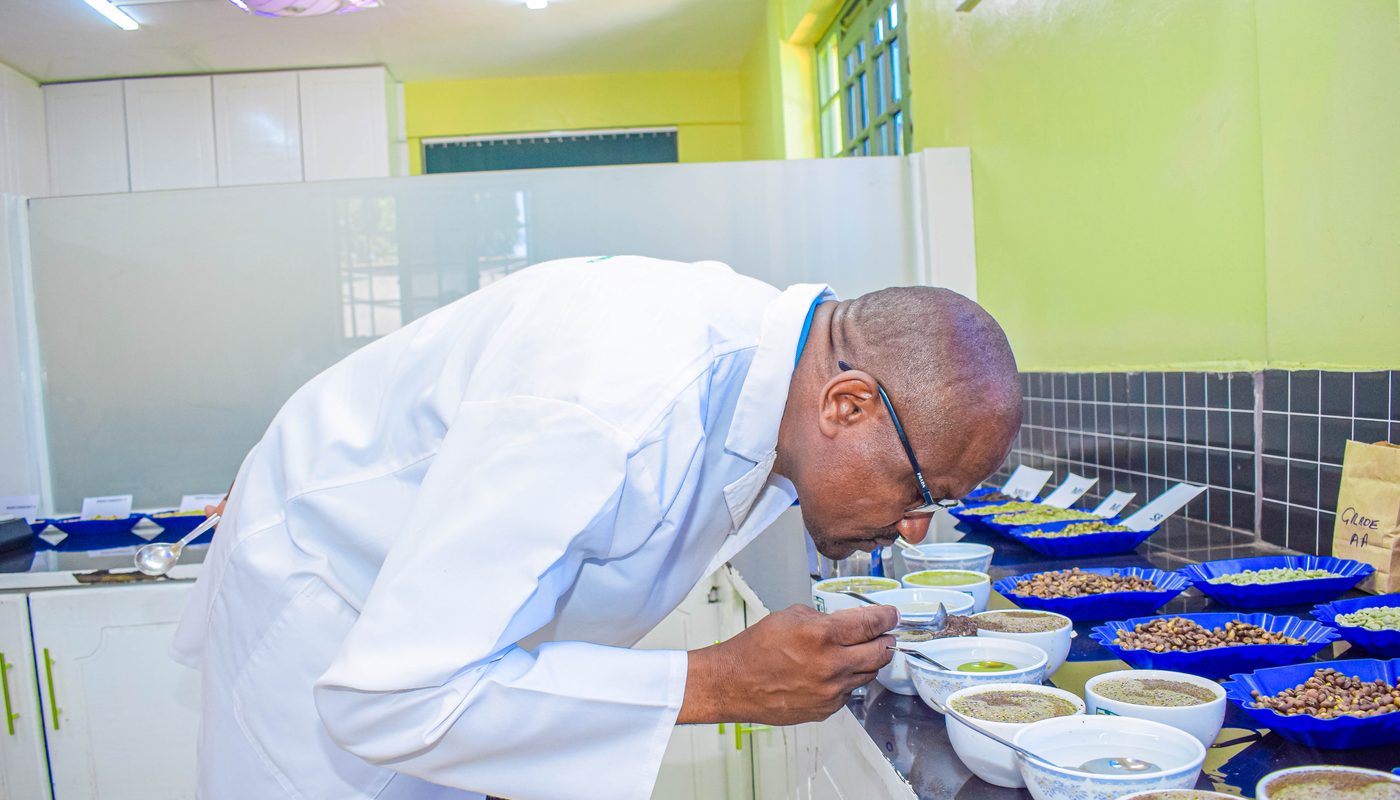
Laboratory Cupping Spectrum
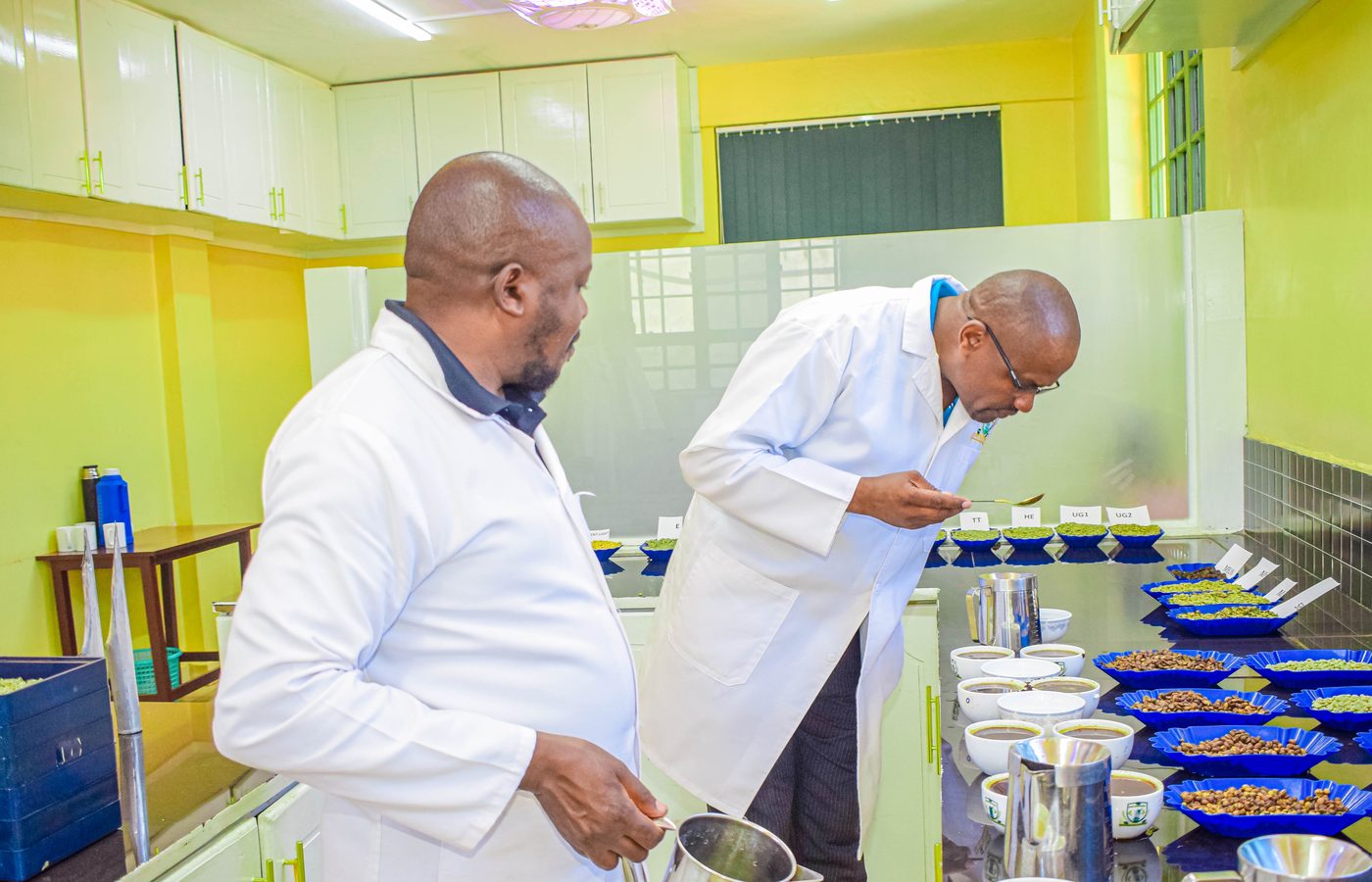
Every outturn undergoes official laboratory grading, sieve calibration, and cupping assessment at the Union laboratory in Kerugoya before cataloguing for auction or direct specialty export.
Kirinyaga County Coffee Mill Ltd — precision milling, grading and cup-profiling under farmer ownership.
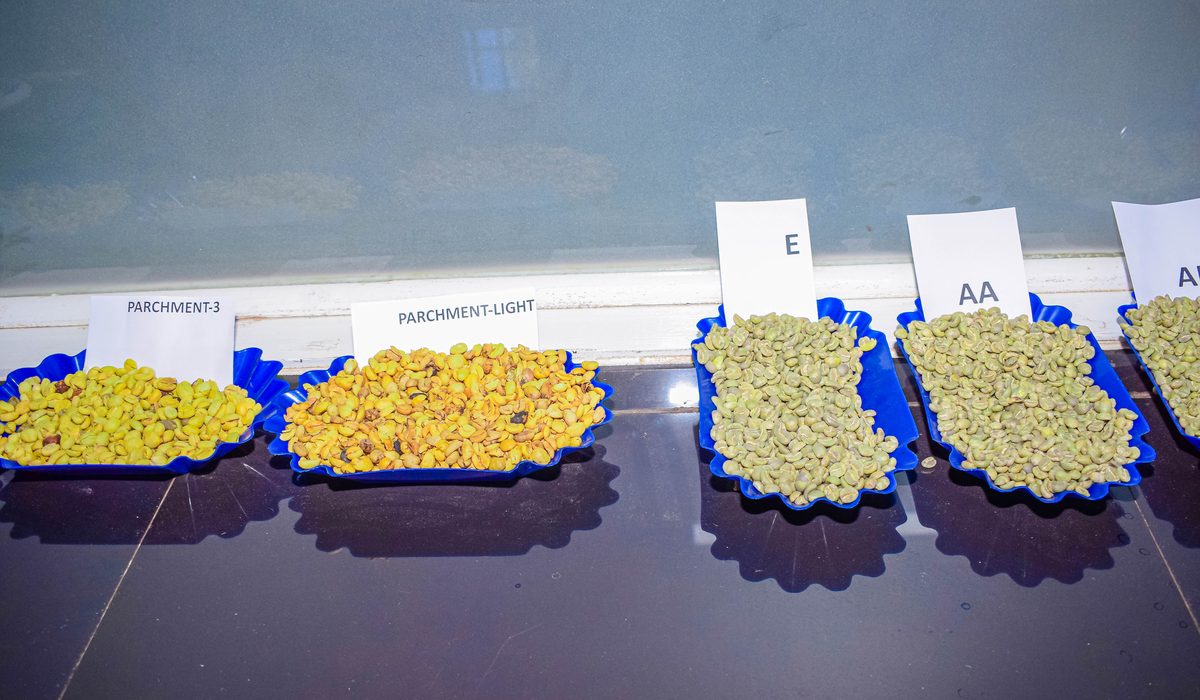
Every outturn is graded on the Union’s own screens and density tables, then roasted and cupped in our laboratory before it reaches the auction floor.
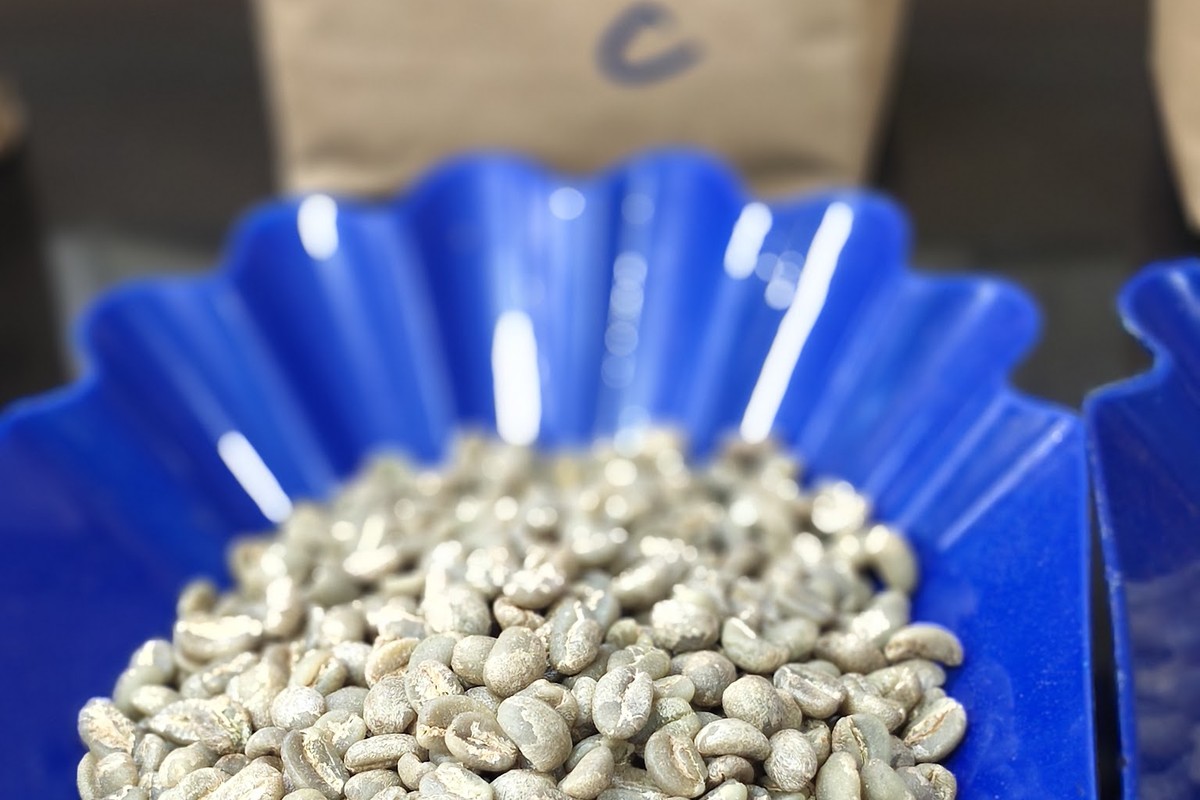
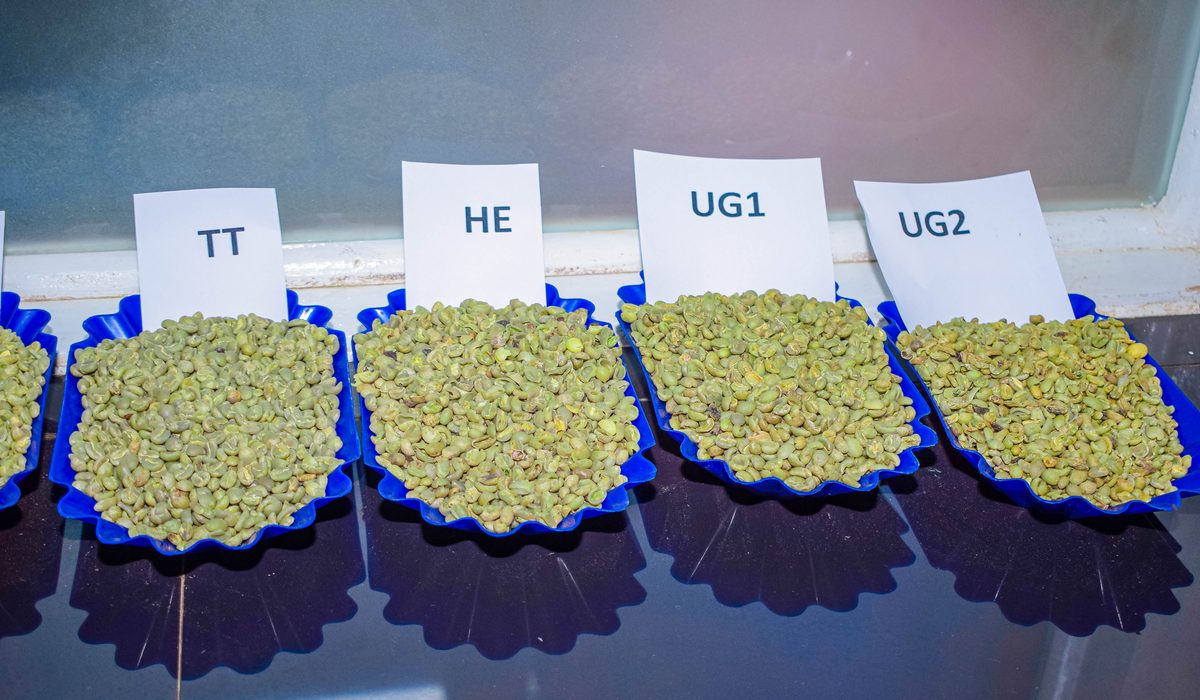
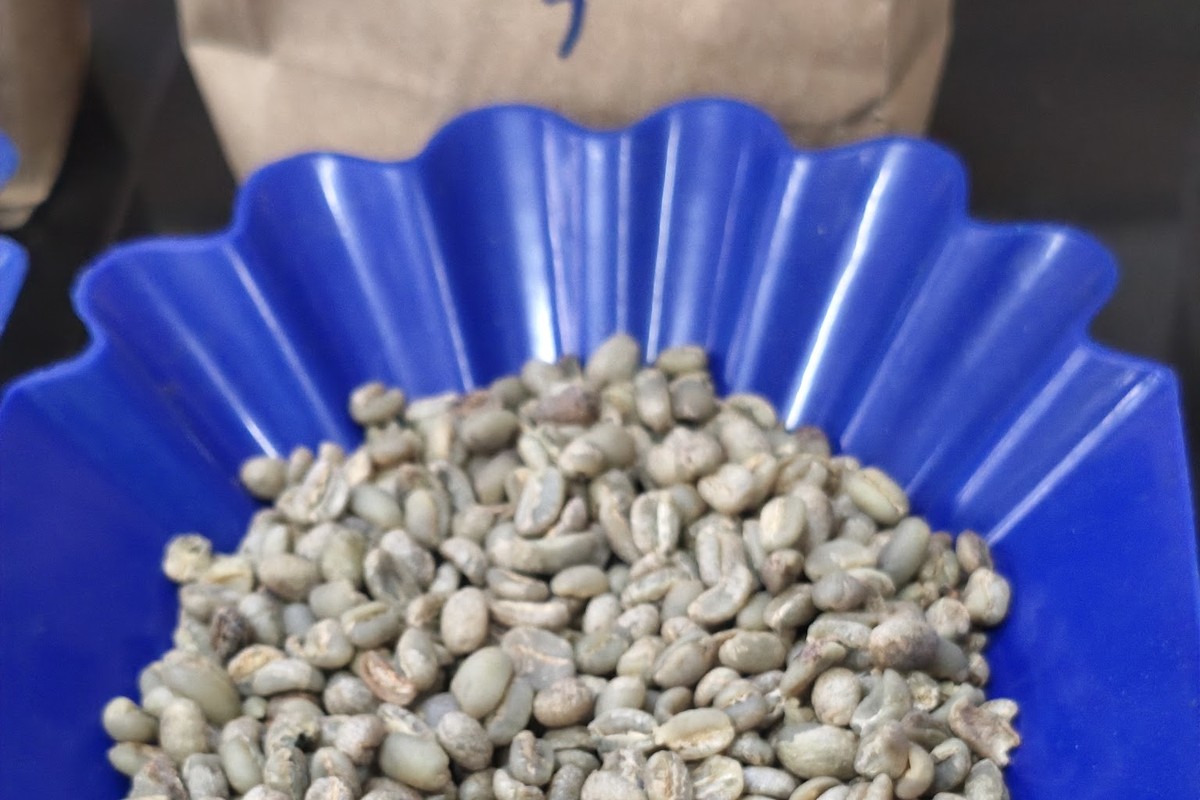
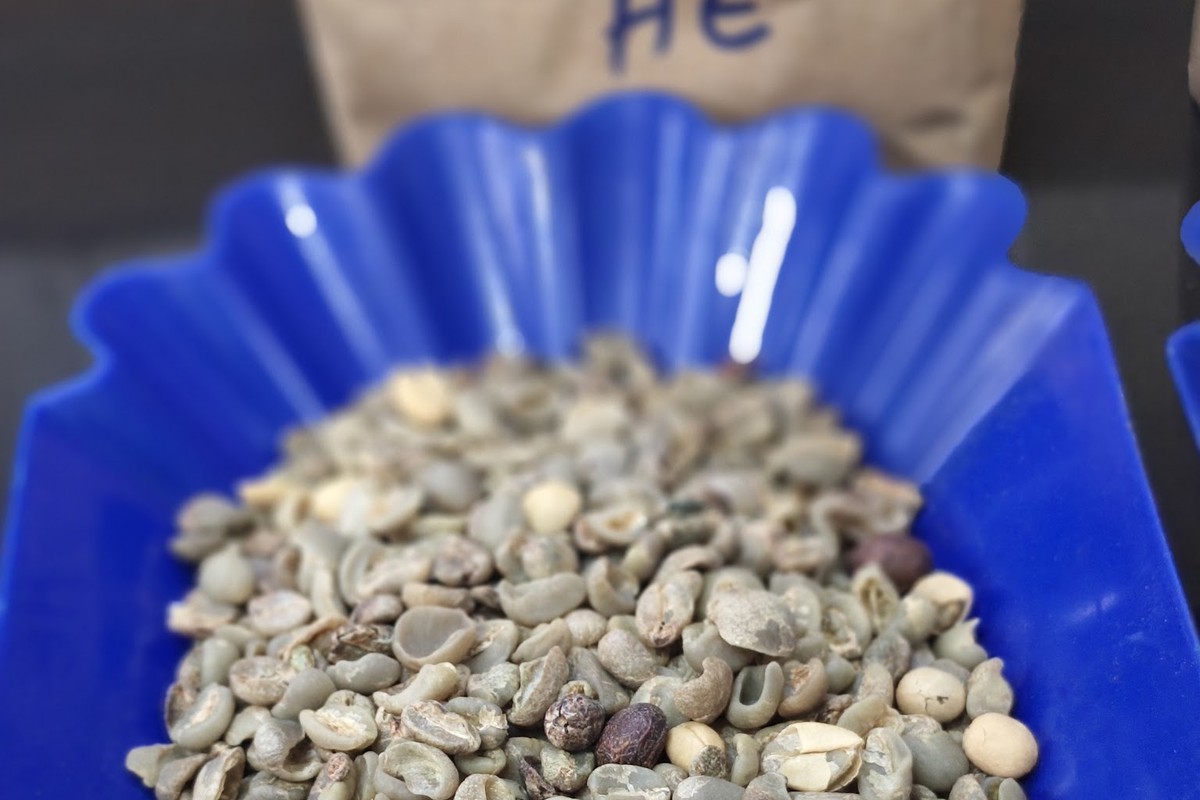
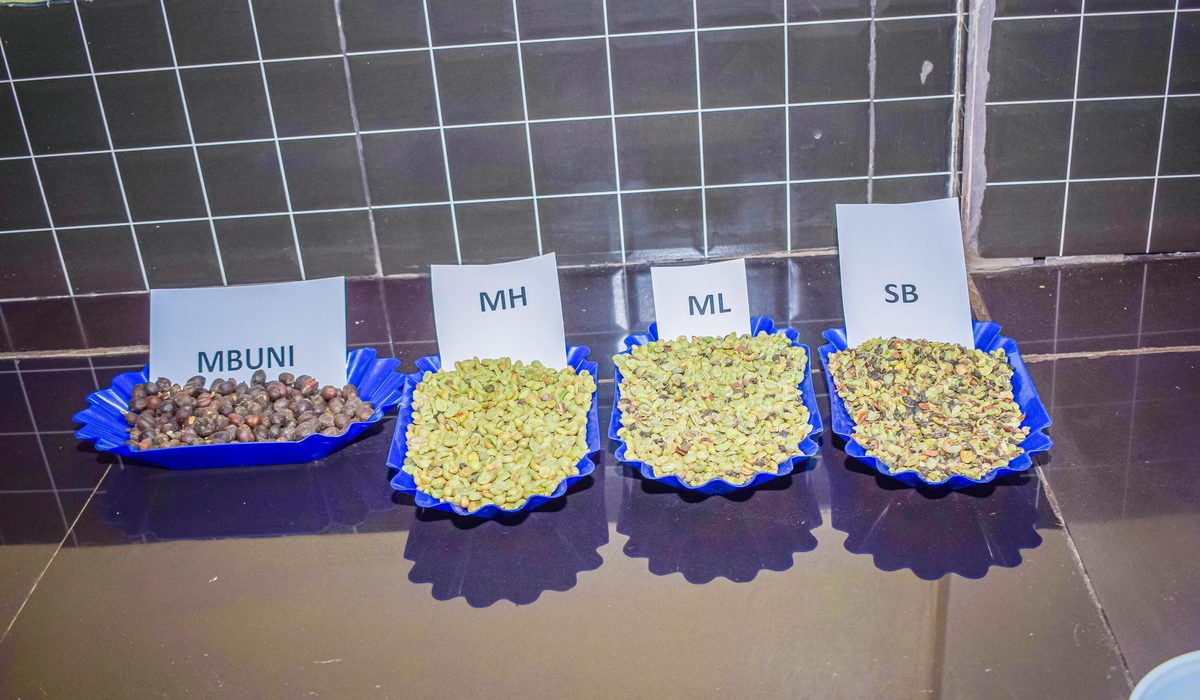
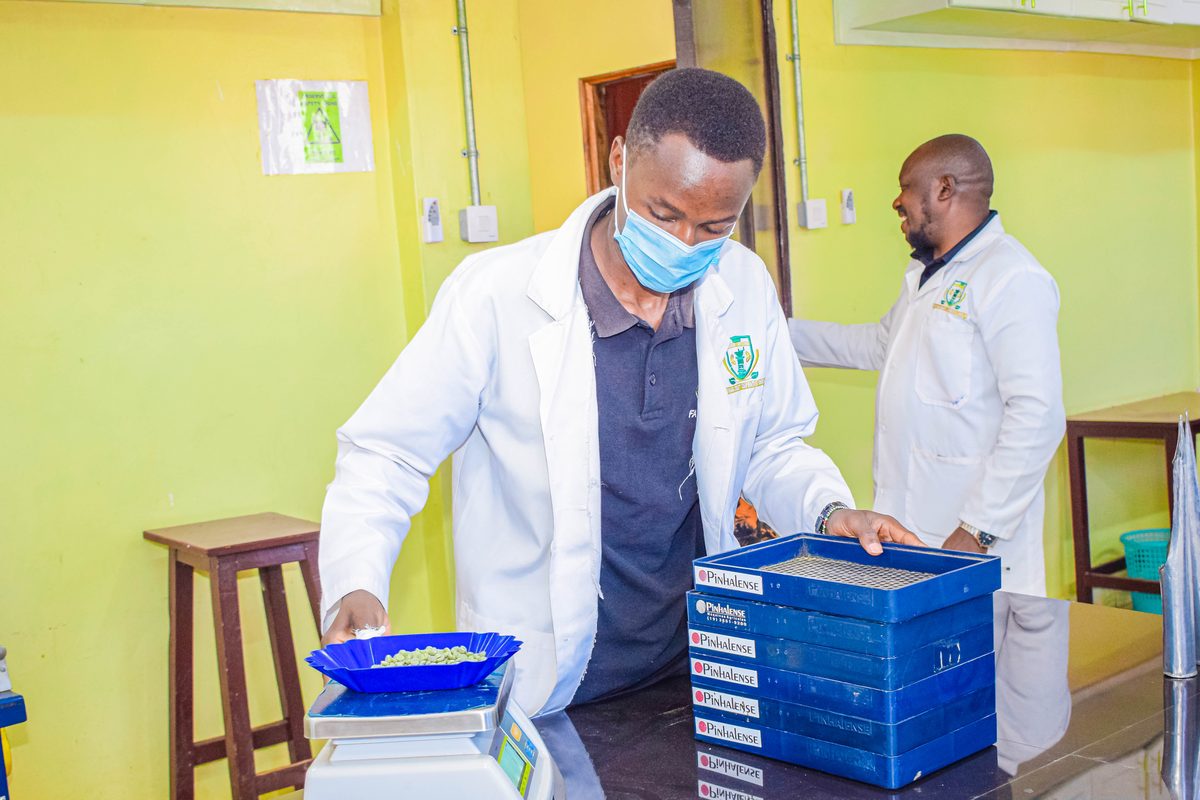
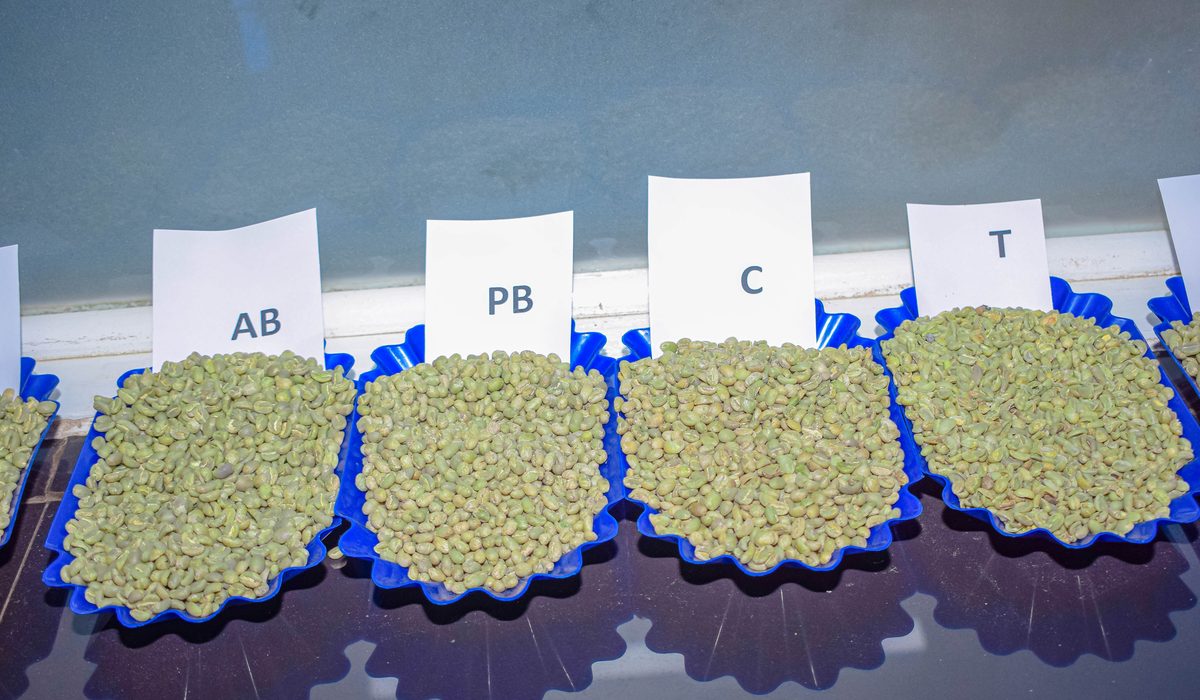
Screens and density tables sort every outturn before it is weighed into lots. These are the Union's own trays, photographed in the laboratory at Kerugoya with the grade cards still standing.
Every outturn undergoes official laboratory grading, sieve calibration, and cupping assessment at the Union laboratory in Kerugoya before cataloguing for auction or direct specialty export.
AA is screen 17/18 (7.2 mm), the large dense flat bean that leads most Kirinyaga catalogues. Celebrated globally for intense blackcurrant sweetness, complex floral florals, and vibrant phosphoric acidity.
AB combines screens 15 and 16 (6.8 mm). It is the volumetric backbone of premium Mt. Kenya lots, combining dense bean structure with aromatic complexity and sparkling citric brightness.
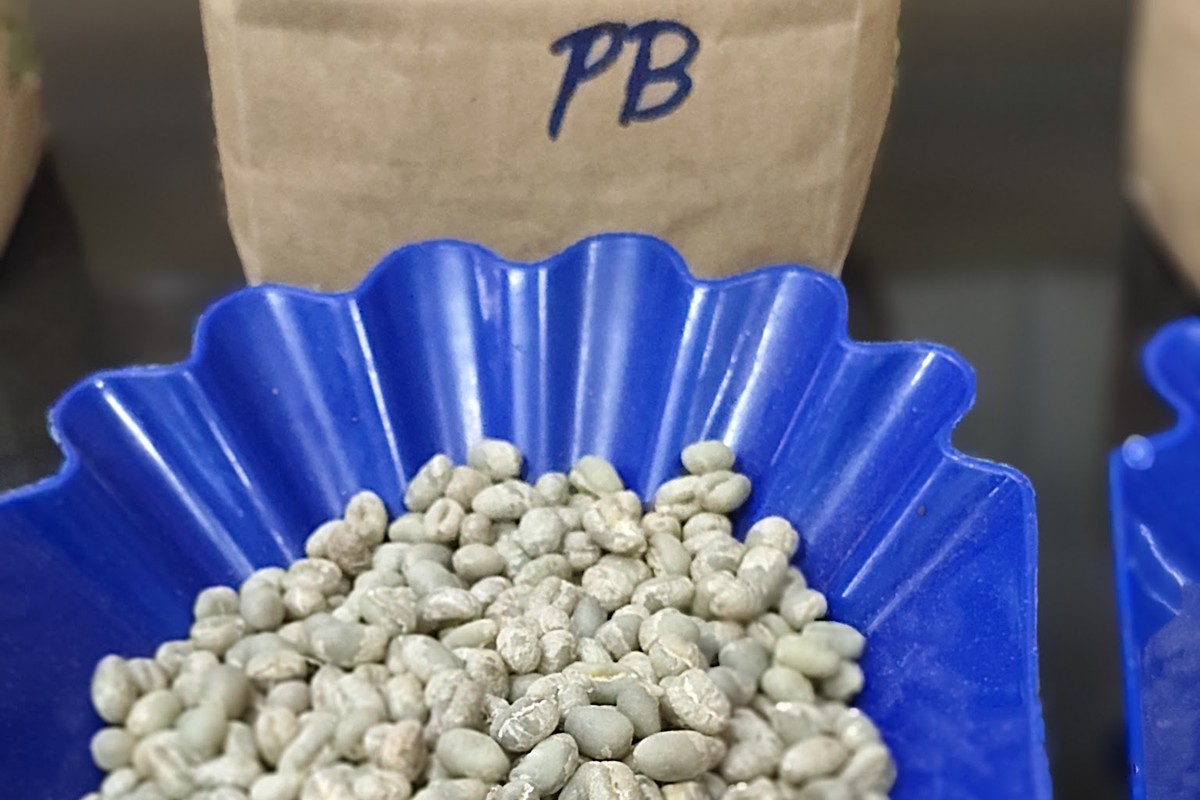
PB forms when only a single ovular seed develops inside the cherry rather than the normal twin beans. Roasters value PB for concentrated body and exceptionally uniform heat transfer during roasting.
Grade C consists of smaller flat beans caught on screen 14. Highly sought by specialty roasters for espresso components due to its intense sweetness and pronounced fruit character.
TT is separated from AA and AB outturns using Oliver pneumatic density tables. By floating off lighter beans, the Union ensures that top-tier lots maintain zero density-related defects.
Screen 12 sort composed of thin beans and fragments separated during mechanical sieving. Carefully handled to guarantee clean separation from commercial and specialty lots.
Heavy ear fragments and misshapen beans sorted out mechanically during hulling, maintaining strict defect-count standards across all primary auction lots.
Naturally sun-dried whole coffee cherry dried on raised beds without water pulping. Hulled into Mbuni Heavy (MH) and Light (ML), offering rustic complexity and rich dried-fruit depth.
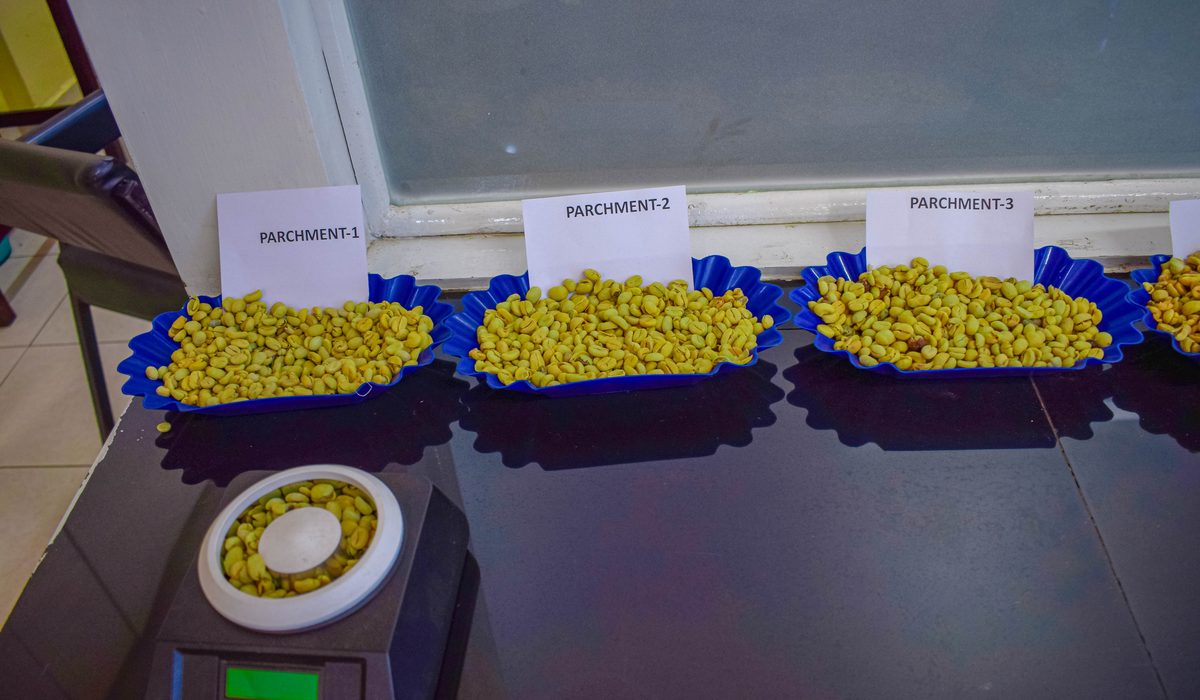
Dry parchment arrives directly from our 65 primary washing stations. Every lot is moisture-tested between 10.5% and 11.5% before precision hulling at our Kerugoya dry mill.
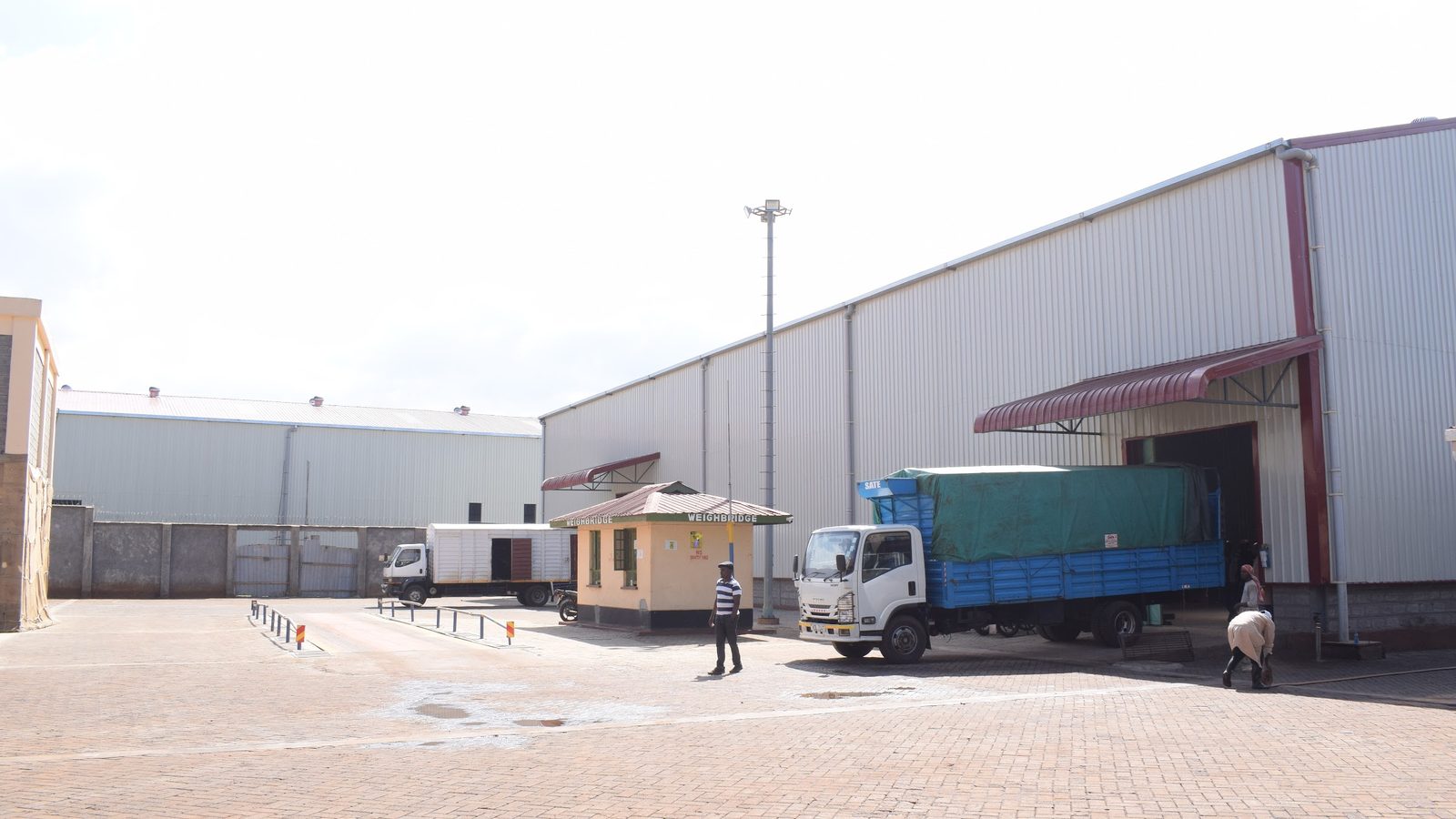
Parchment arrives from member factories, weighed and logged per society for full traceability.
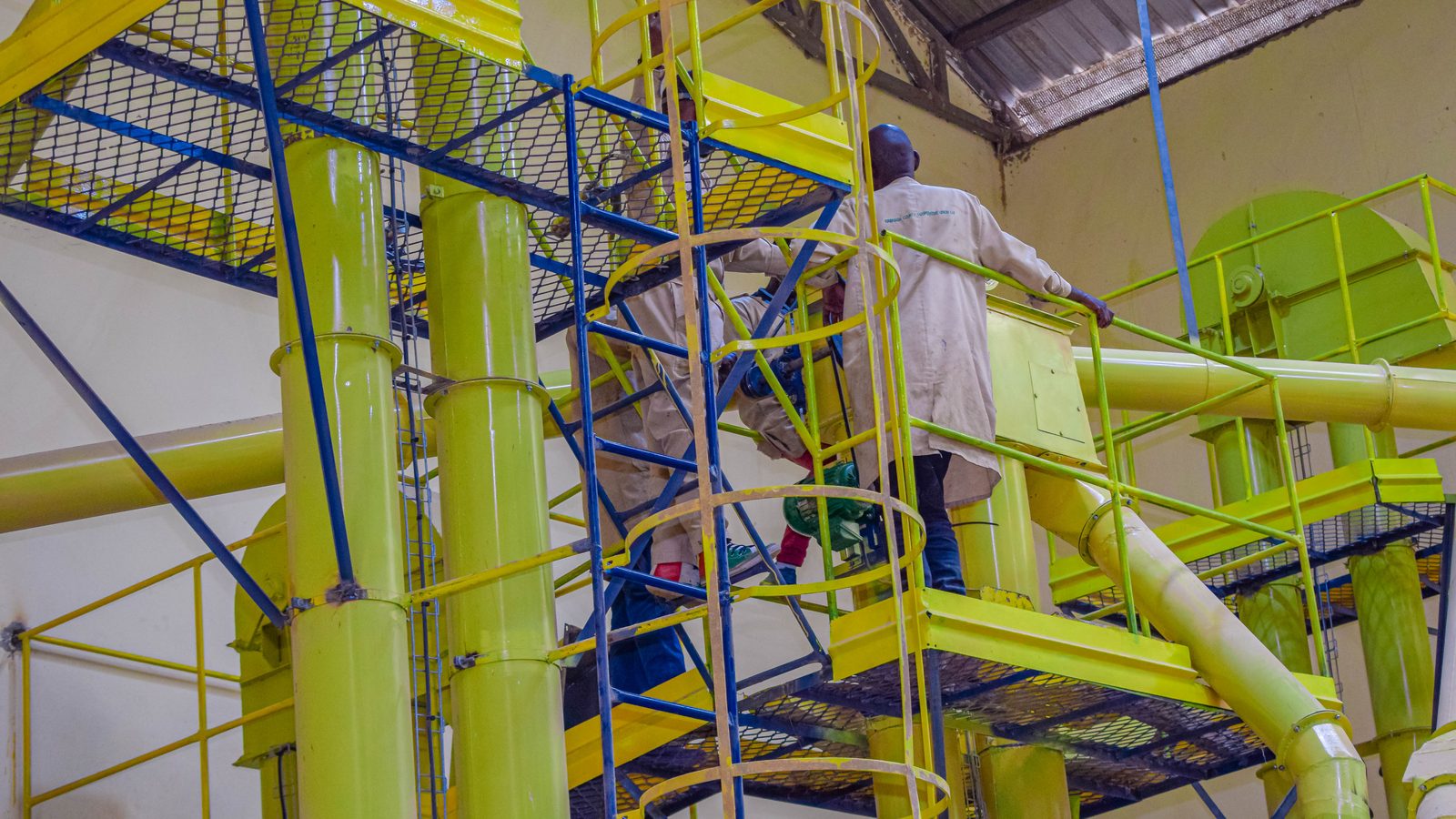
The parchment layer is removed to reveal green beans, with minimal breakage.
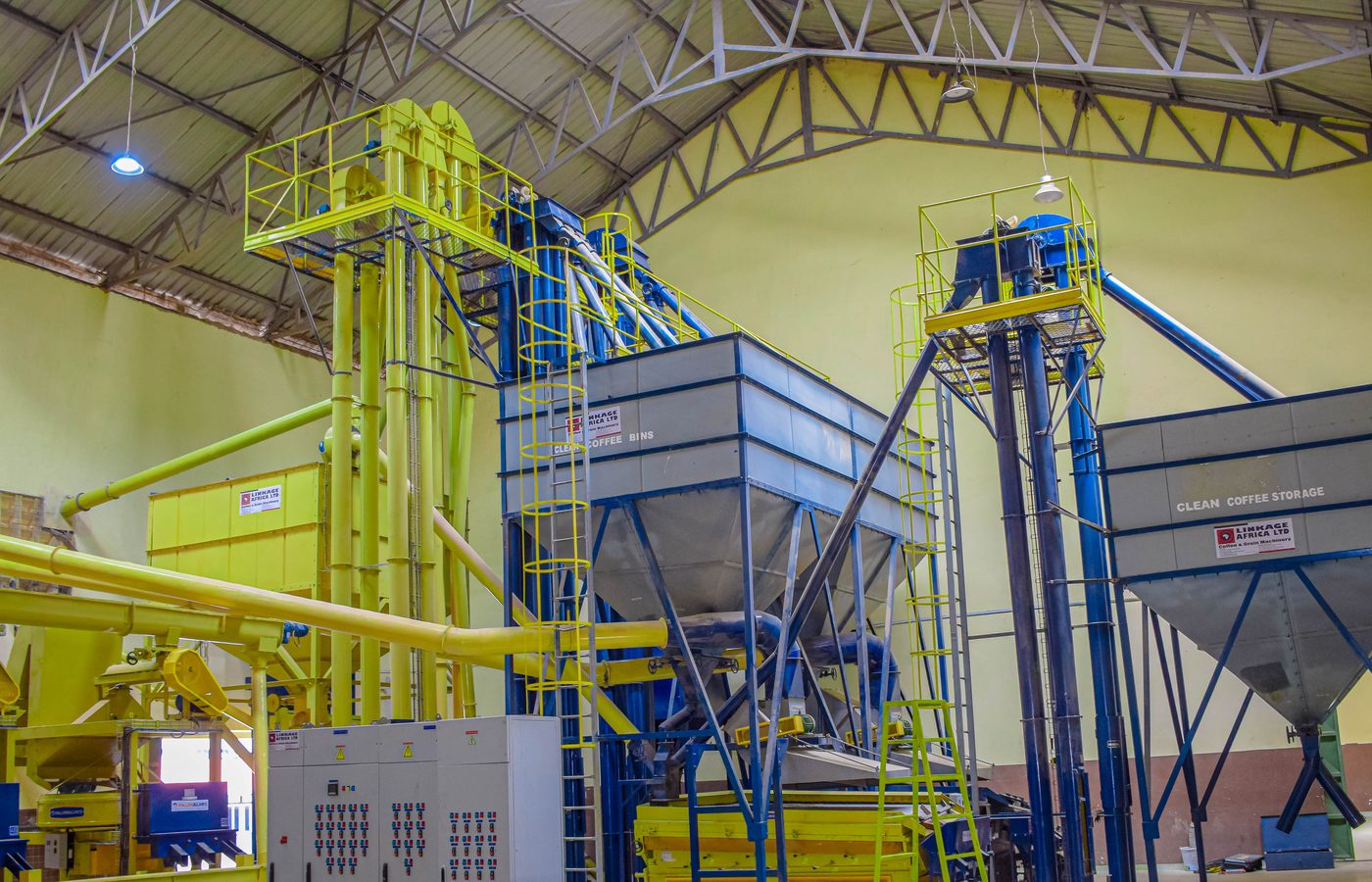
Density and screen sorting remove defects and foreign matter.
Beans are separated into AA, AB, PB, C and secondary grades by size and density.
Every outturn is sample-roasted and cupped to document its flavour profile.
Lots are bagged, sealed and dispatched to the Nairobi Coffee Exchange or direct buyers.
fairtrade.net
Eligible as certified when sold between FLO-registered operators.
certified lots
Sustainable farming standard; premium per certificate protocol.
quality + ethics
Verified ethical sourcing across many member factories.
premium eligible
Premiums on certified coffee paid per the certificate's protocol.
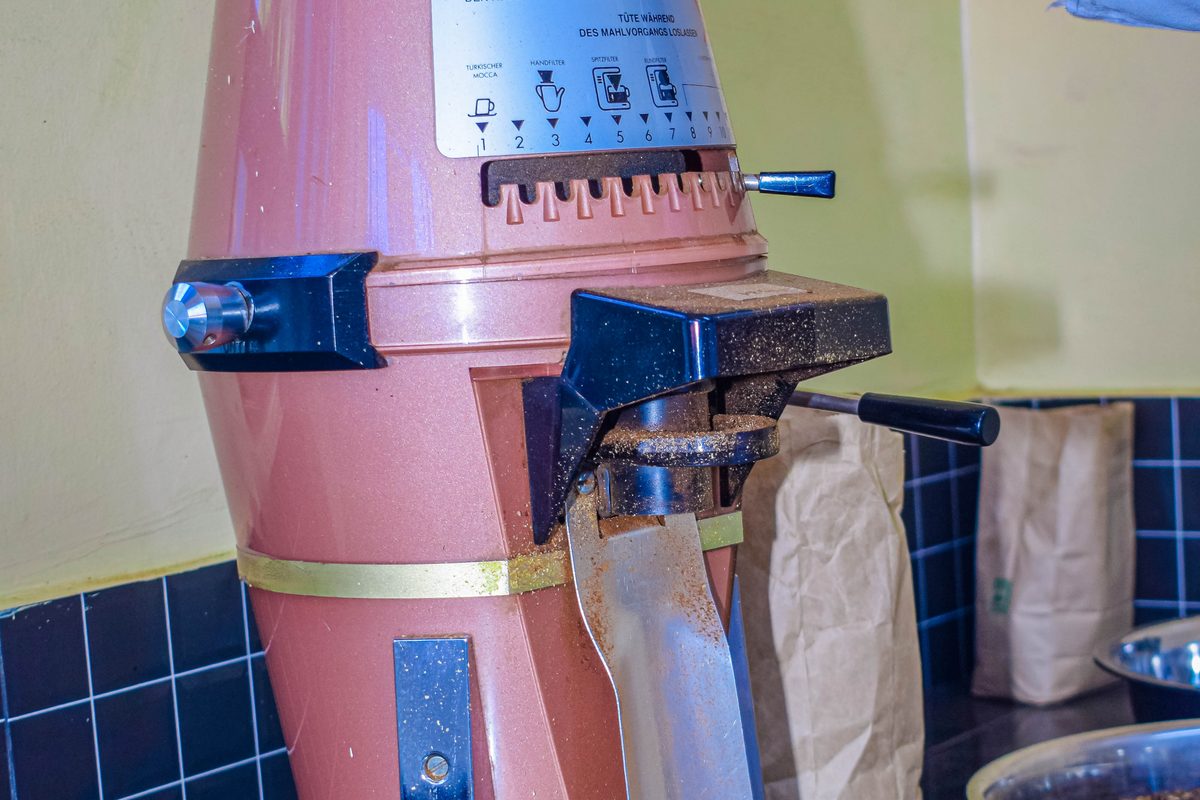
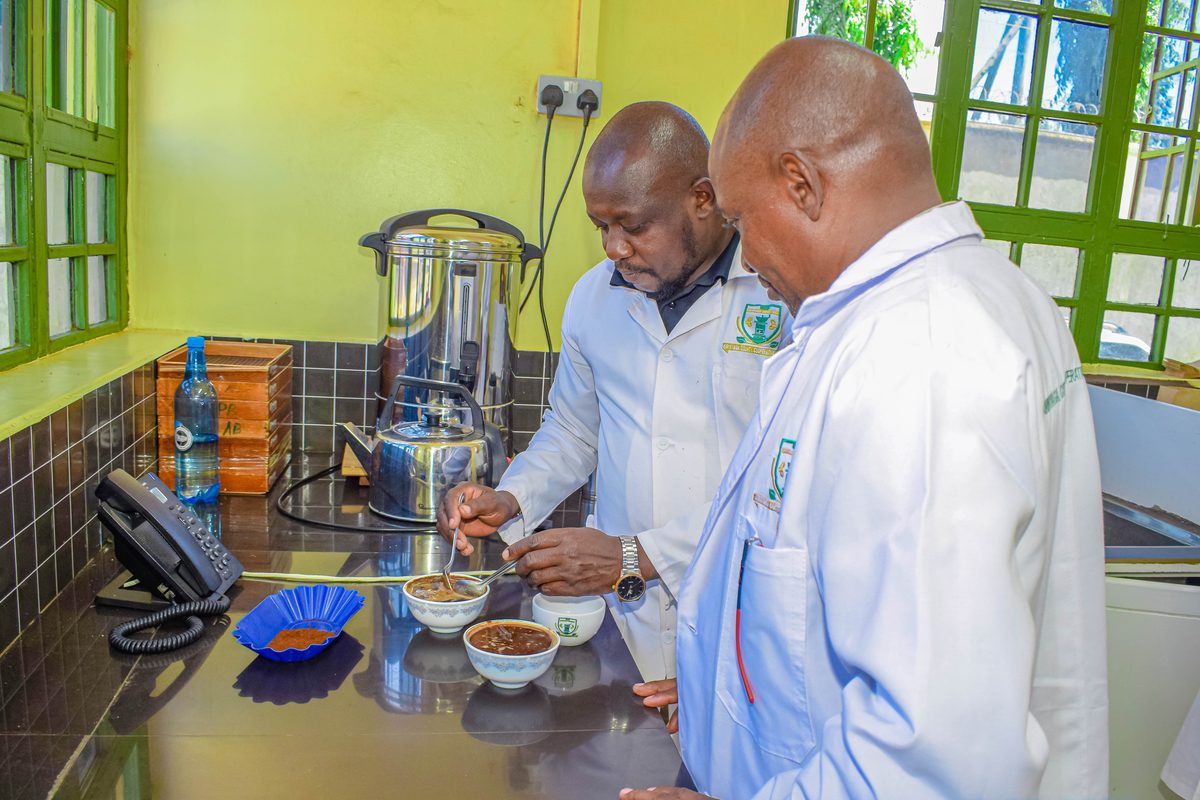
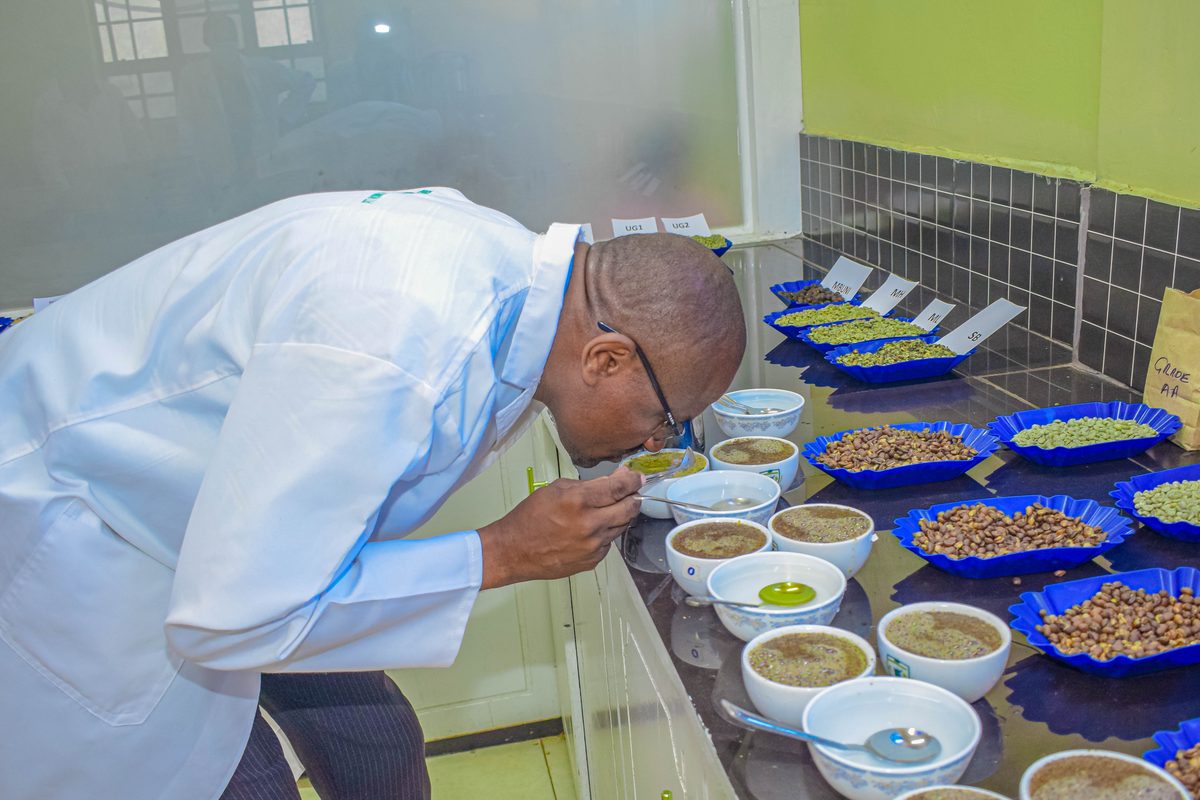
Sample roasting, grinding and the cupping table at Kerugoya.
The sample roaster
Grinding the sample
On the cupping table
Cherry picked on a member’s smallholding reaches the Nairobi Coffee Exchange as a graded, cupped lot. Every step below happens inside the Union — at one of 65 factories, at our mill in Kerugoya, or in our own laboratory.
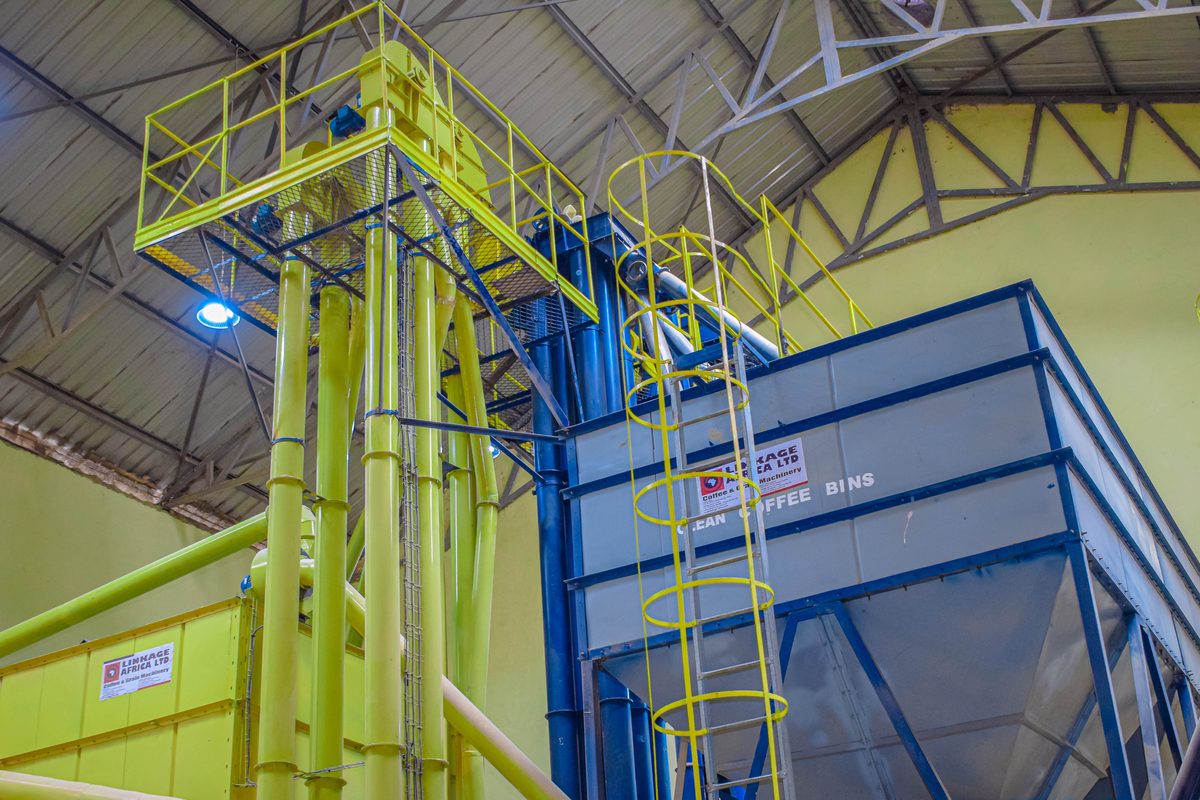
Dry parchment comes to the Union mill in Kerugoya, where hulling and cleaning release the green bean.
County Coffee Mill · Kerugoya
Screens and gravity tables sort the bean into AA, AB, PB, C, E, TT and MBUNI before it is weighed into lots.
Screen and density sorted
Every outturn is roasted and cupped in the Union laboratory, and the score follows the lot to the auction floor.
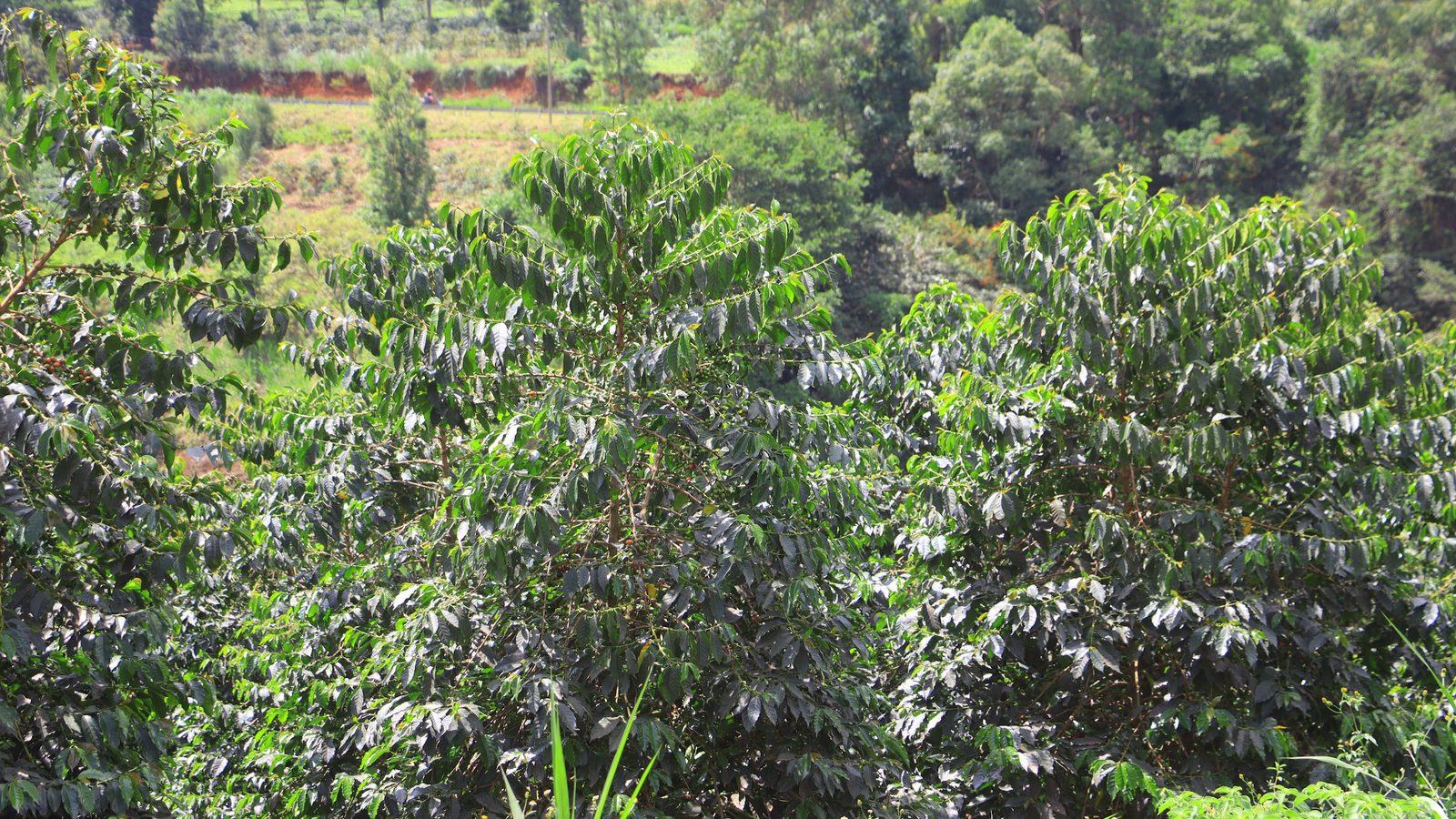
Union laboratory · every outturnFrom high-elevation red volcanic slopes and cooperative washing stations to the Kerugoya dry mill and cupping laboratory.
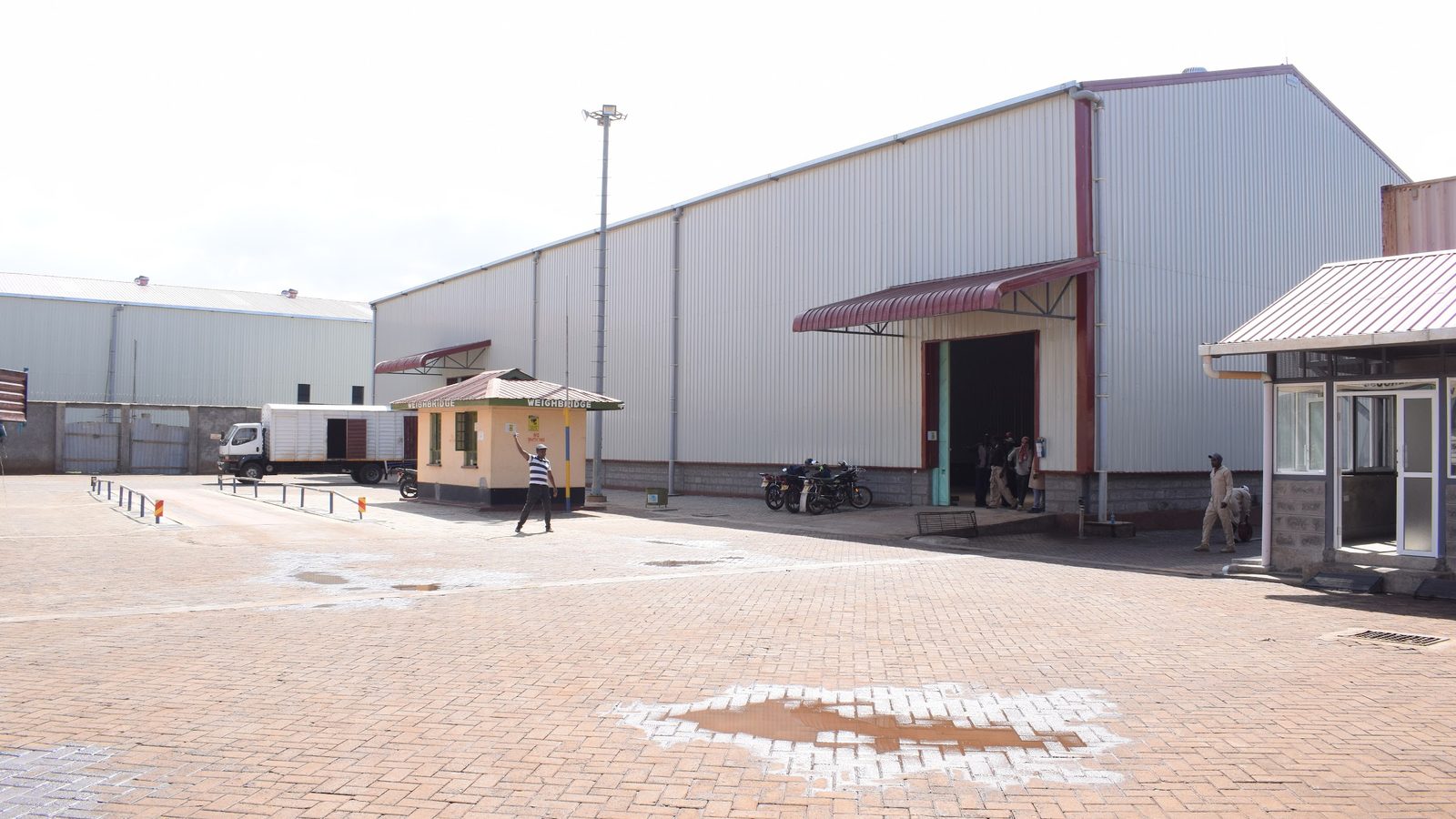
The milling plant
Delivery yard
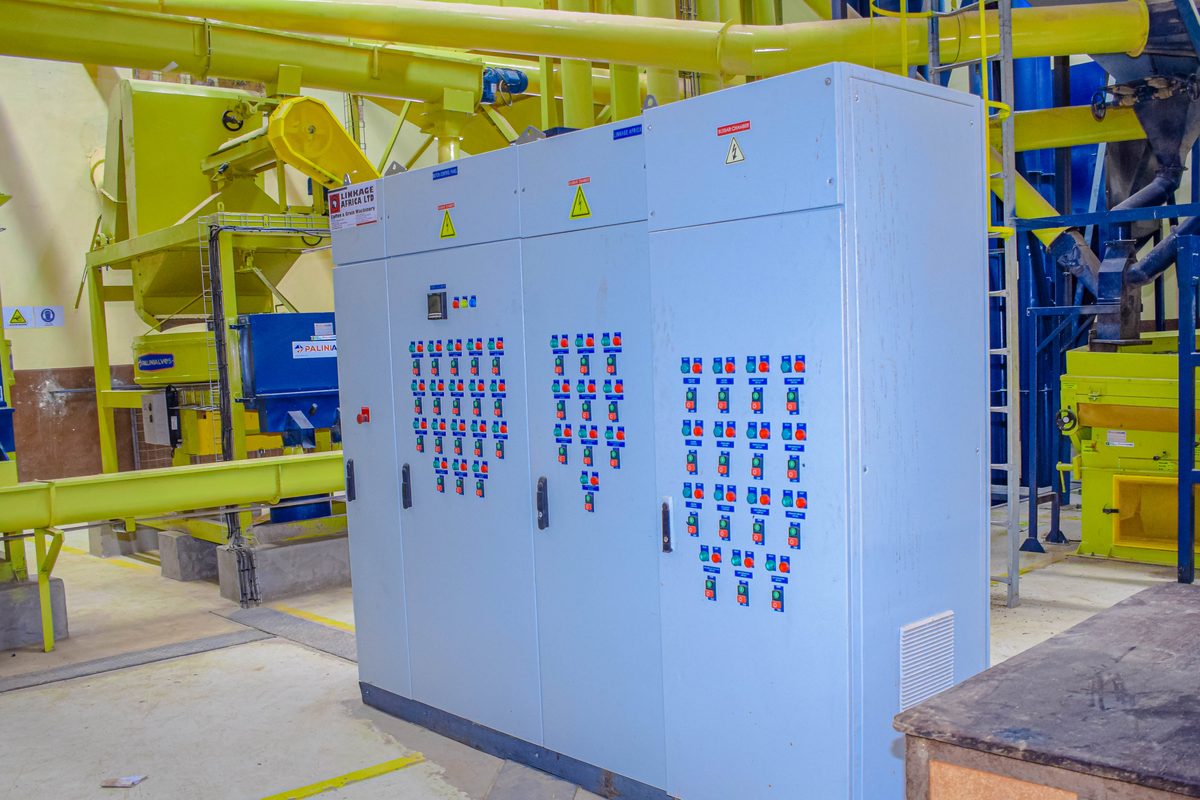
Plant control
Where parchment becomes green gold — meticulous milling and grading under farmer ownership.
Mandated to sell members' coffee through the Nairobi Coffee Exchange — with weekly published results.
Where parchment becomes green gold — meticulous milling and grading under farmer ownership.
Mandated to sell members' coffee through the Nairobi Coffee Exchange — with weekly published results.