At Kirinyaga County Co-operative Union (KCCU), we believe that better service starts with better knowledge.
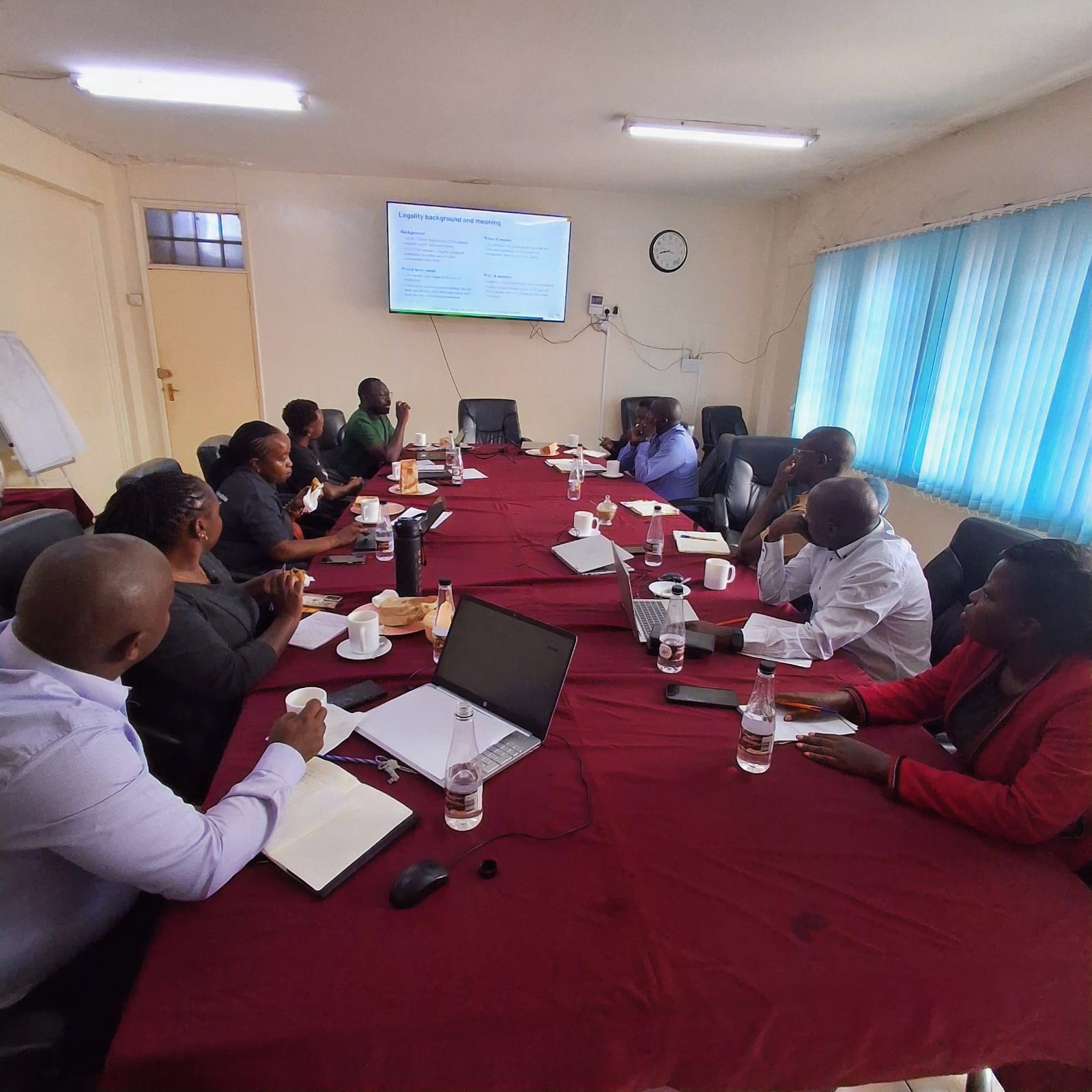
Recently, our team gathered for an intensive training session on the European Union Deforestation Regulation (EUDR). It was not just about understanding new international rules. It was about taking proactive steps to protect our farmers, secure their livelihoods, and keep Kirinyaga coffee on the world map.
When our staff understand EUDR inside out, our farmers benefit directly. Here is a look at how we are turning policy into real action on the ground.
The Four Pillars of KCCU’s EUDR Strategy
1. The Deforestation-Free Pillar
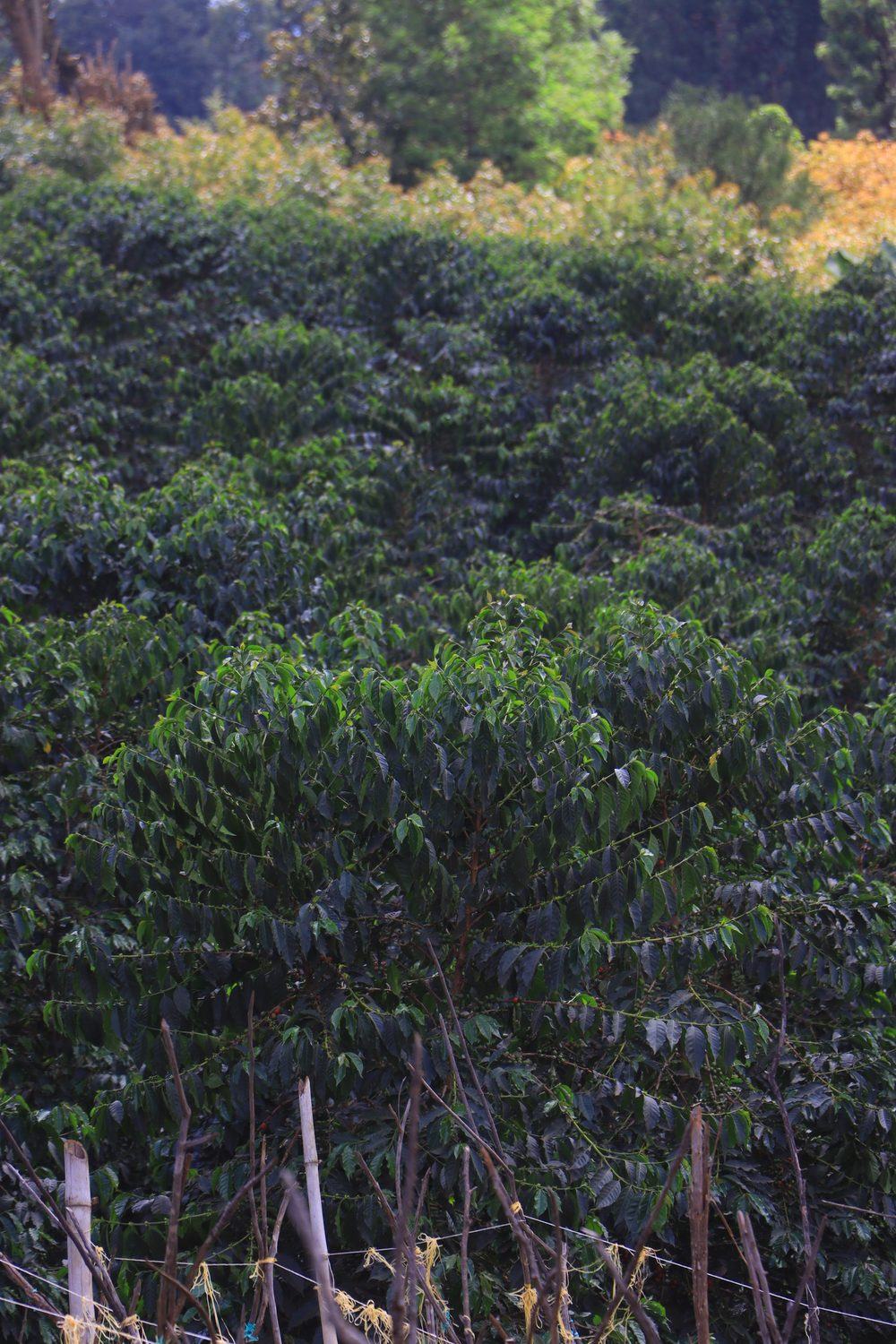
International buyers want proof that their coffee does not contribute to forest loss. Our training focused on verifying that KCCU coffee grows on long-established farmland. By preserving our tree canopy and native ecosystems around Mt. Kenya, we protect both our environment and our market access.
2. The Geolocation & Mapping Pillar
Traceability starts with accurate maps. During training, our field teams mastered the digital tools needed to map our coffee source:
- Farms under 4 hectares: We collect a single, accurate GPS point at the main farm site.
- Farms over 4 hectares (Estates): We map full polygon boundaries to pinpoint exact farm lines.
This data proves exactly where every cherry was harvested.
3. The Legality Pillar
EUDR compliance requires strict adherence to local laws. We reviewed our auditing processes to ensure all participating farms comply with Kenyan land tenure rights, labor laws, and environmental standards. Legal integrity builds buyer confidence.
4. The Chain of Custody Pillar
A farm map means little if the coffee gets mixed up along the supply chain. We mapped out clean tracking protocols from the wet mill to the dry mill and right into the shipping container. Every bag of KCCU coffee maintains its identity all the way to the buyer’s roastery.
Clear Timelines: Knowing the Deadlines
Compliance takes time, and clear deadlines keep everyone on track. The European Union has established specific timelines based on producer scale:
| Category | Scale & Scope | Compliance Deadline |
|---|---|---|
| Commercial Estates | Large Farmers & Estates | December 30, 2026 |
| Smallholder Farmers | KCCU Co-operative Family | June 30, 2027 |
Because most of our KCCU family consists of smallholders, an extended window ensures no one gets left behind. Our staff are already working closely with factory managers and field officers to ensure every smallholder is fully supported well ahead of these dates.
Safeguarding Africa’s Rich Biodiversity
At its heart, EUDR compliance is about more than fulfilling regulatory paperwork. It is about protecting the natural heritage of Kirinyaga County.
Mt. Kenya’s rich volcanic soil, indigenous forests, and natural watersheds give our coffee its iconic bright acidity and blackcurrant notes. By training our staff to enforce deforestation-free and fully traceable supply chains, KCCU is actively safeguarding Africa’s biodiversity.
Better knowledge leads to greater trust. Greater trust opens better opportunities. Together, we are building a sustainable, profitable future for every Kirinyaga coffee family.
KCCU — Your Reliable Business Partner 🤝