Kirinyaga County Coffee Mill Ltd — precision milling, grading and cup-profiling under farmer ownership.
Founded in 1959, Kirinyaga County Cooperative Union Ltd represents 14 primary coffee cooperatives on the fertile southern slopes of Mt. Kenya. We carry the farmer's voice through the entire value chain — milling at Kirinyaga County Coffee Mill Ltd, trading through Kirinyaga Slopes Coffee Brokerage Co. Ltd.
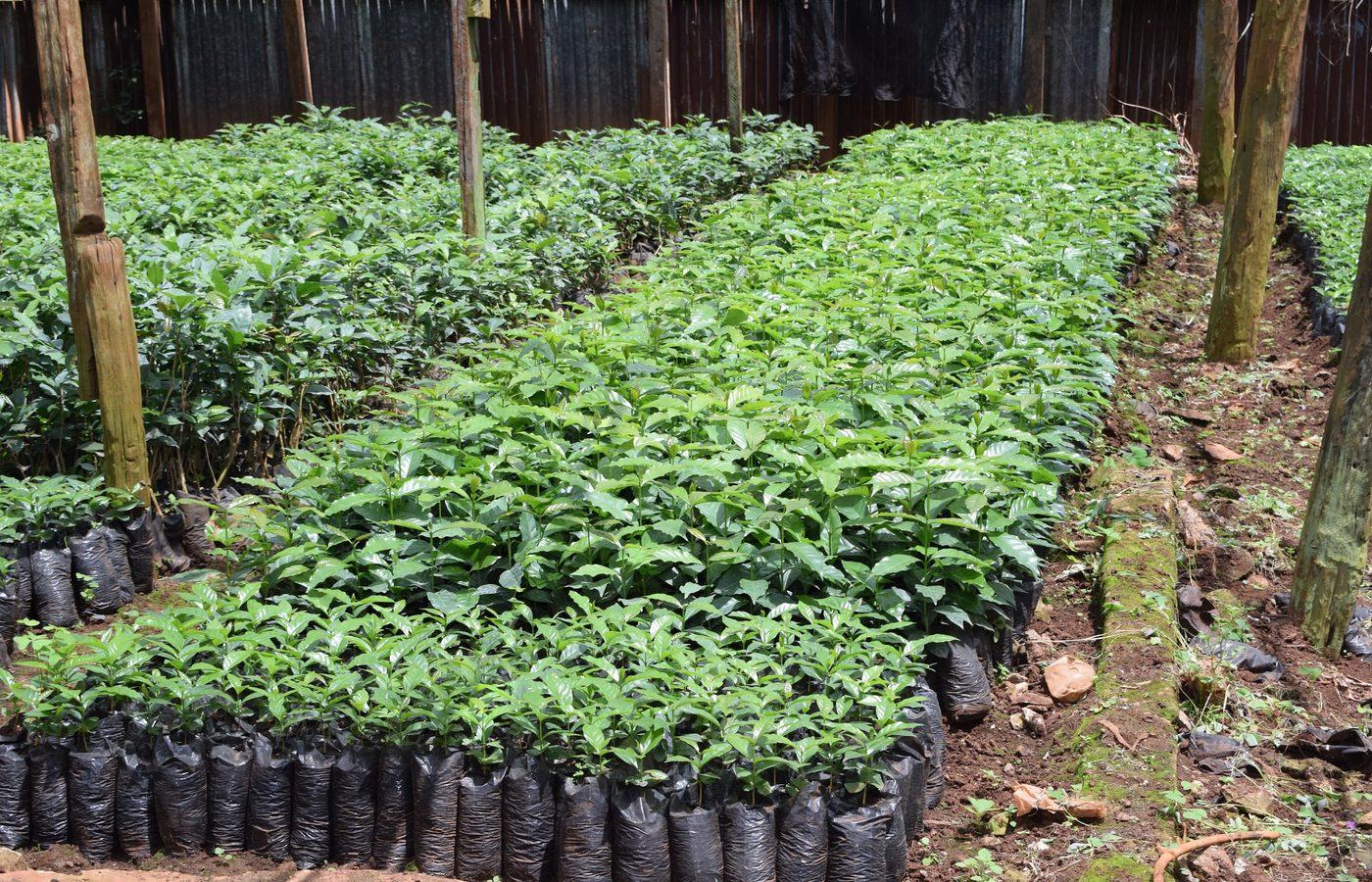 Stand-in — original KCCU photography to follow
Cherry picked on a member’s smallholding reaches the Nairobi Coffee Exchange as a graded, cupped lot. Every step below happens inside the Union — at one of 65 factories, at our mill in Kerugoya, or in our own laboratory.
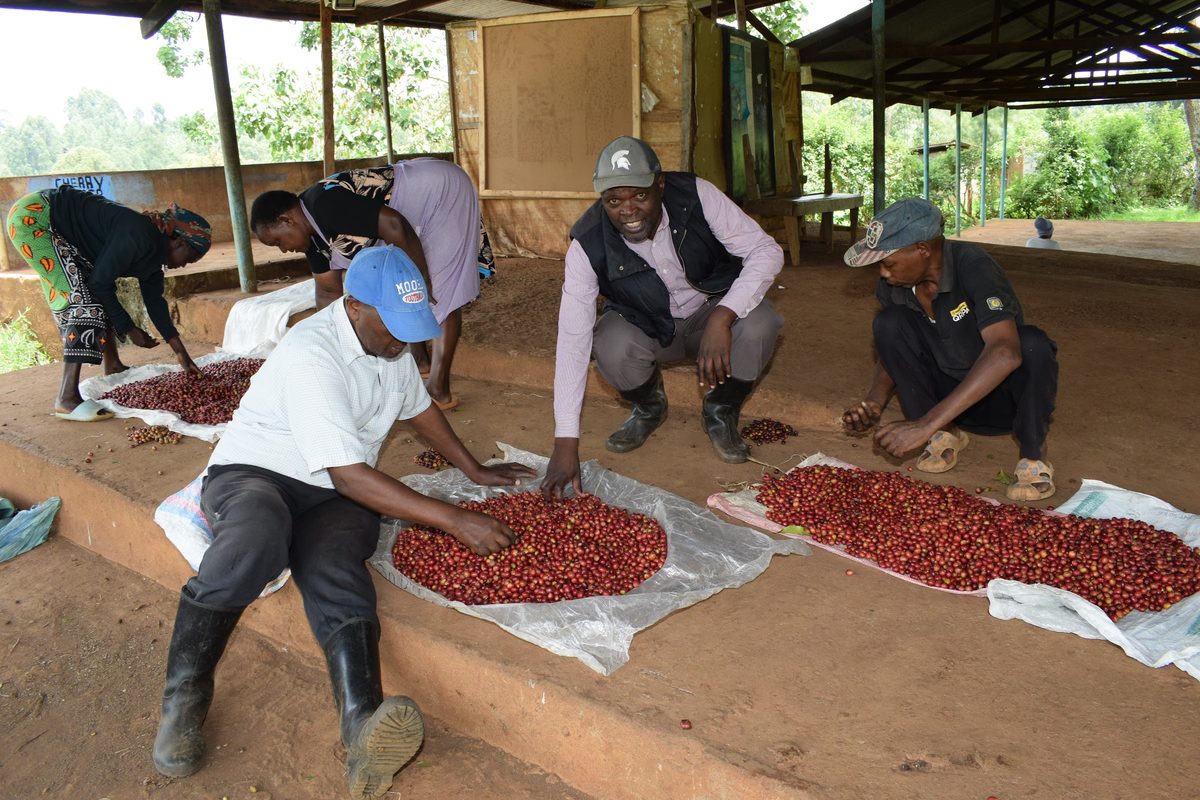
Members hand-pick only ripe red cherry, garden by garden, through the main crop from October to December.
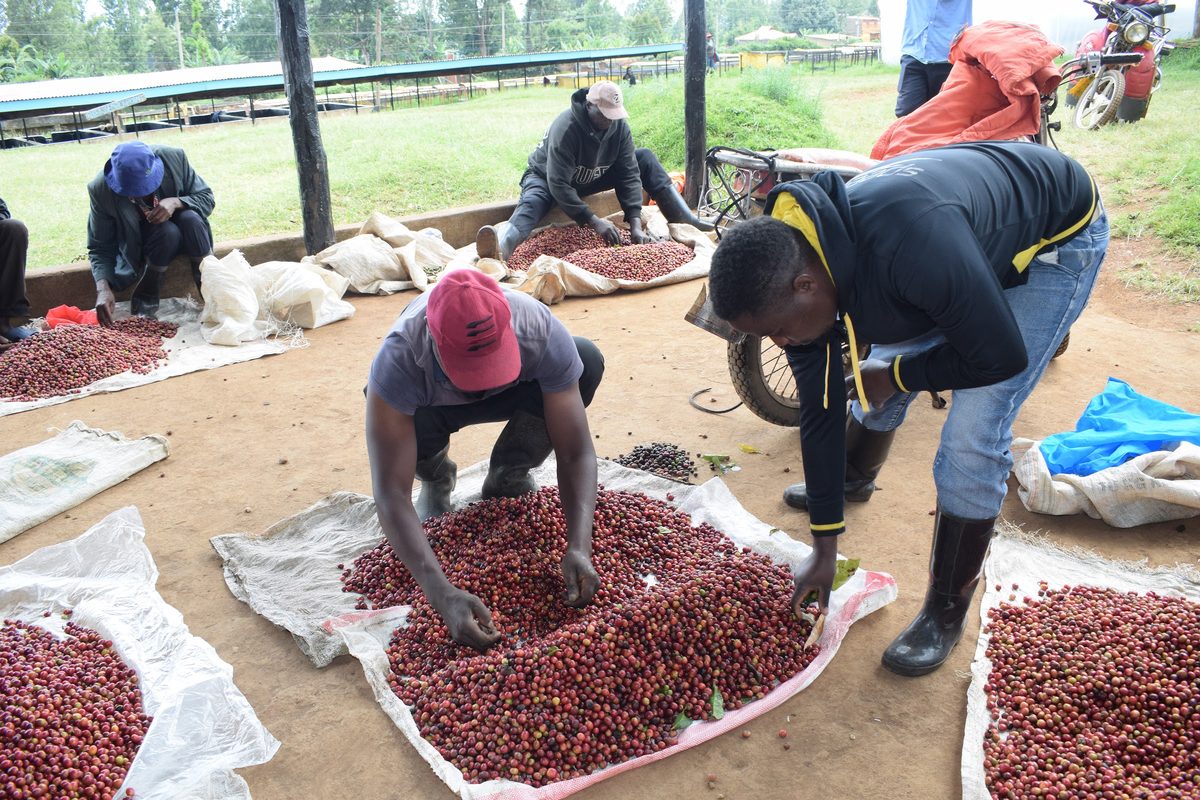
Cherry is weighed in at the factory the same day it is picked and recorded against the member number.
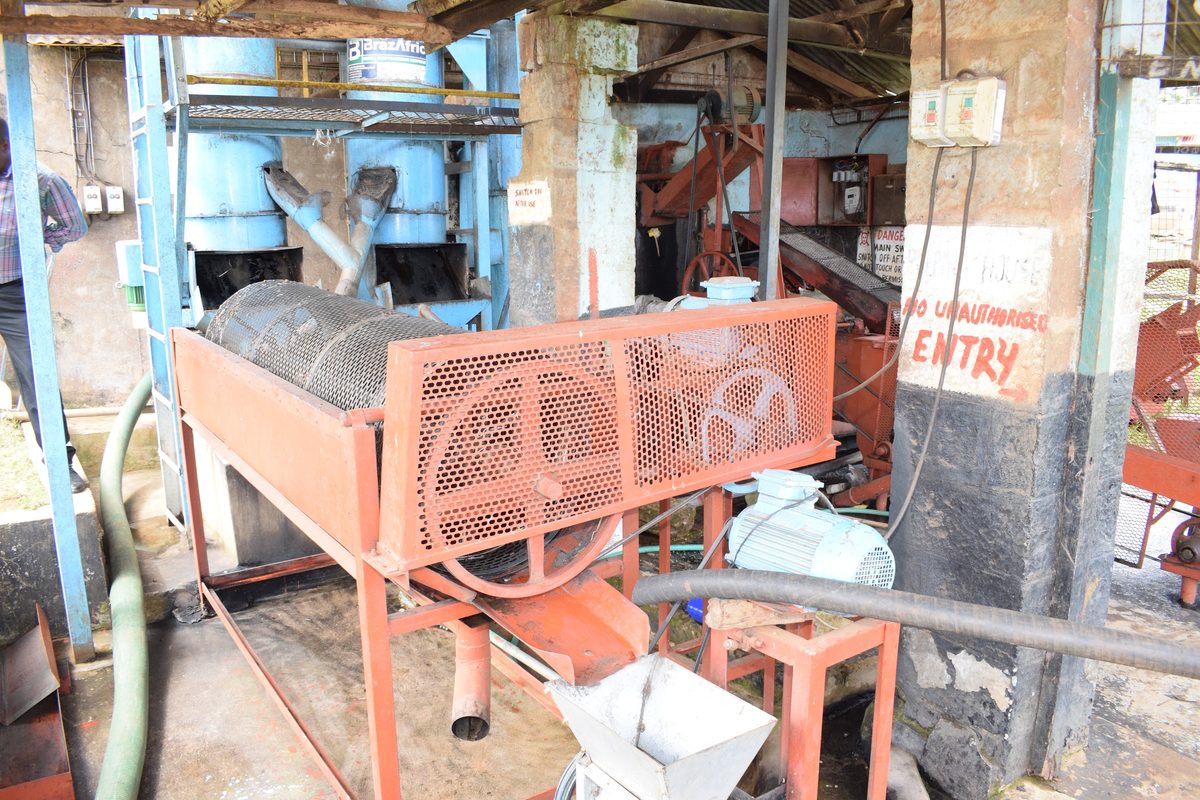
Disc pulpers strip the skin and separate the cherry into grades by density before fermentation begins.
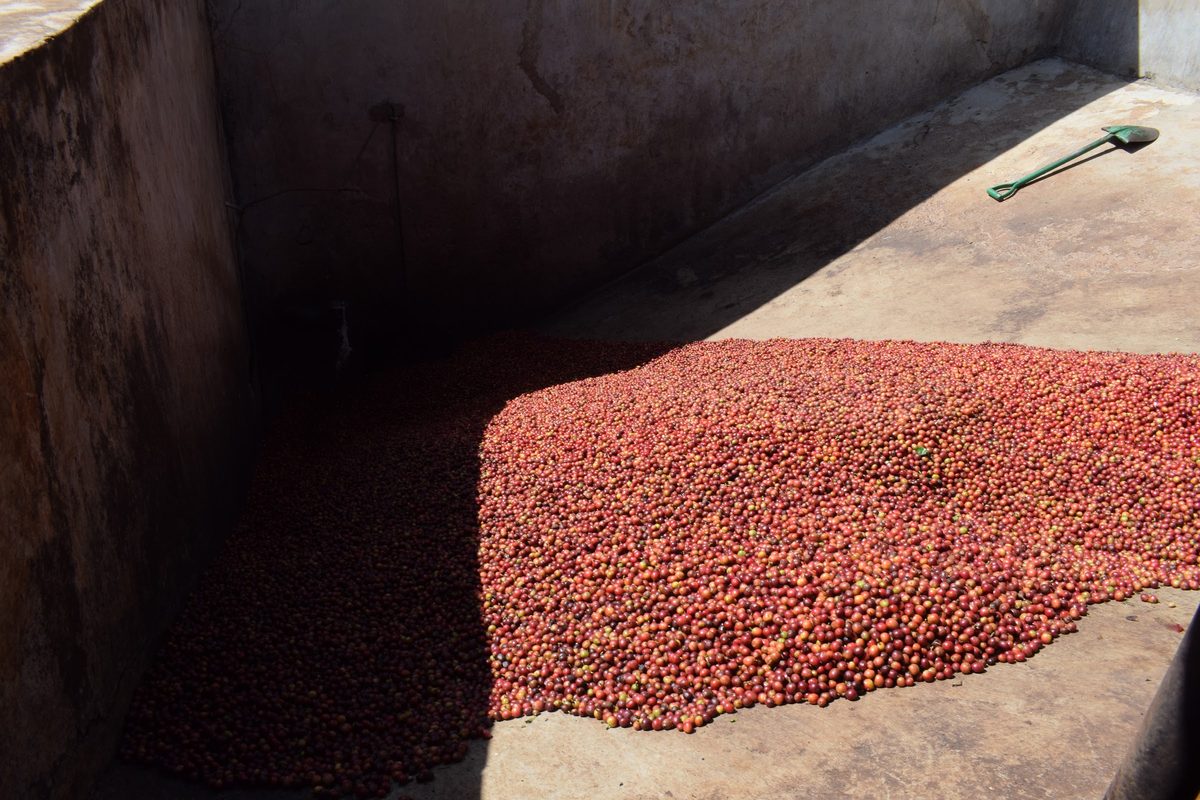
Parchment rests in tanks so the mucilage breaks down — the step that sets Kirinyaga acidity.
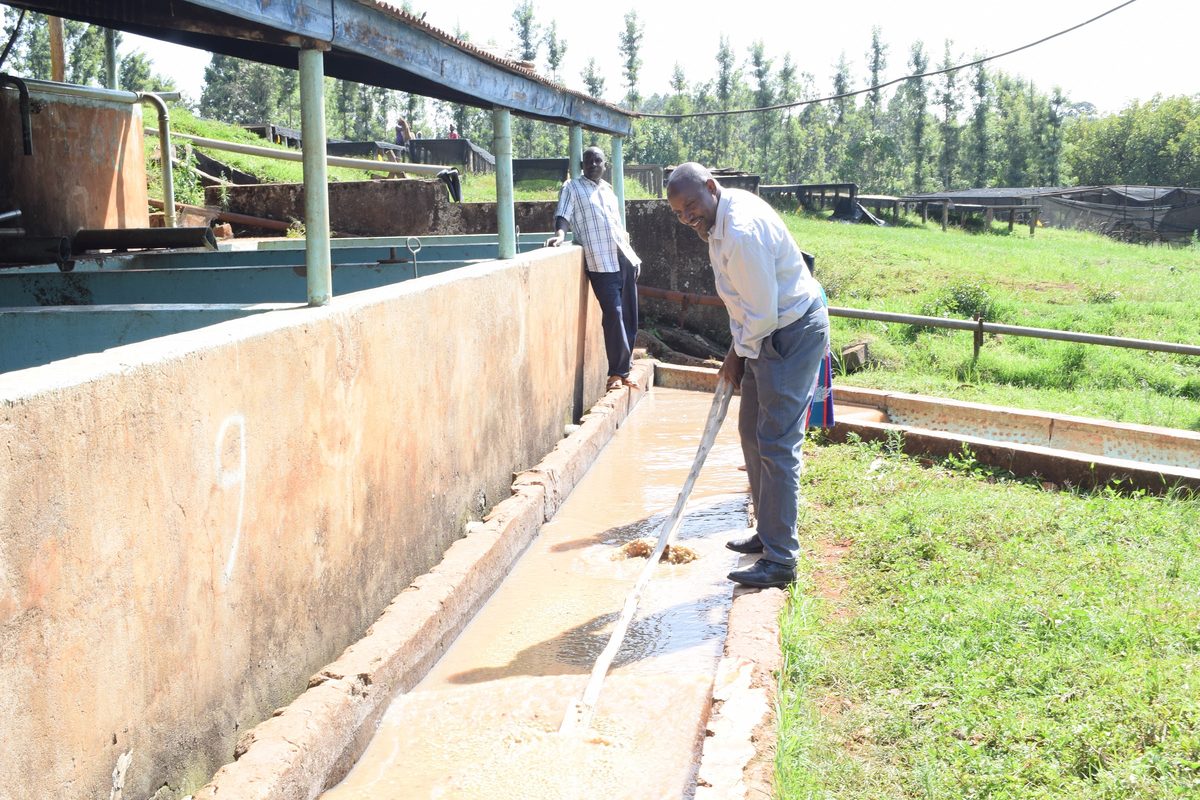
Parchment is washed through grading channels in river water, which separates it once more by density.
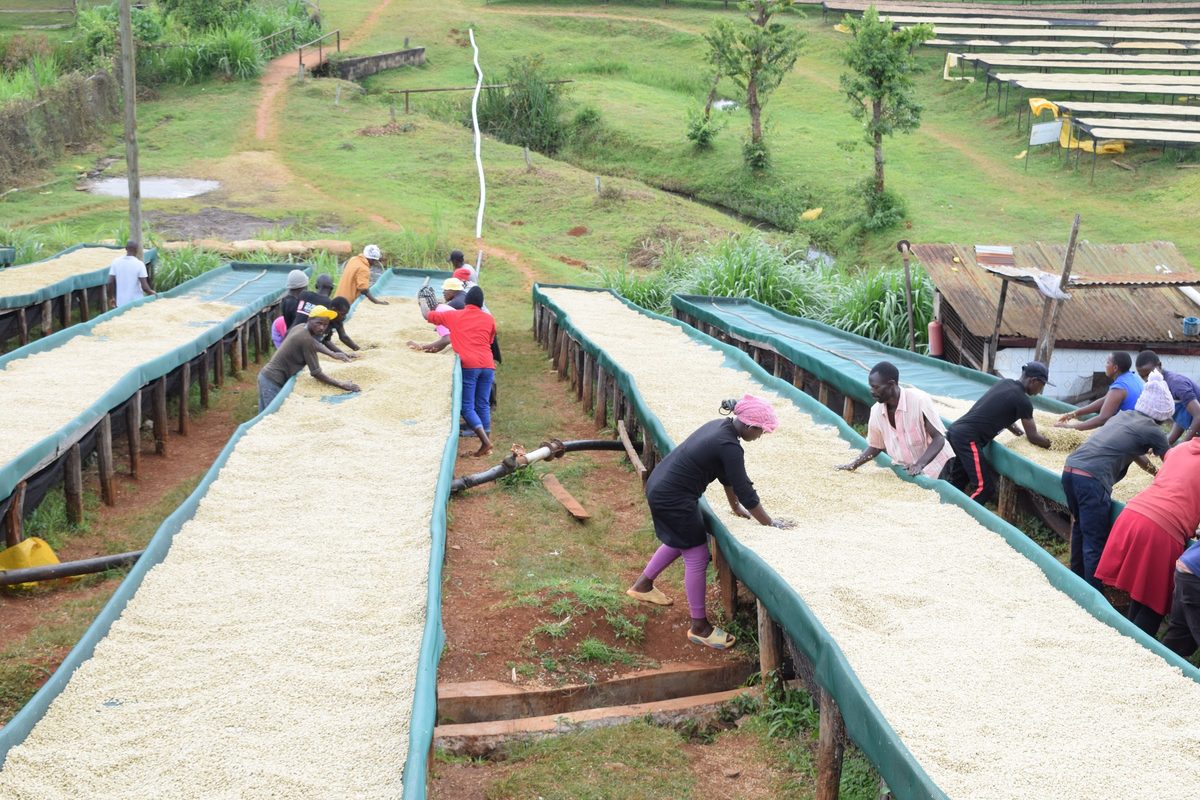
Parchment dries on raised beds for up to three weeks, turned by hand and covered through the mid-day sun.
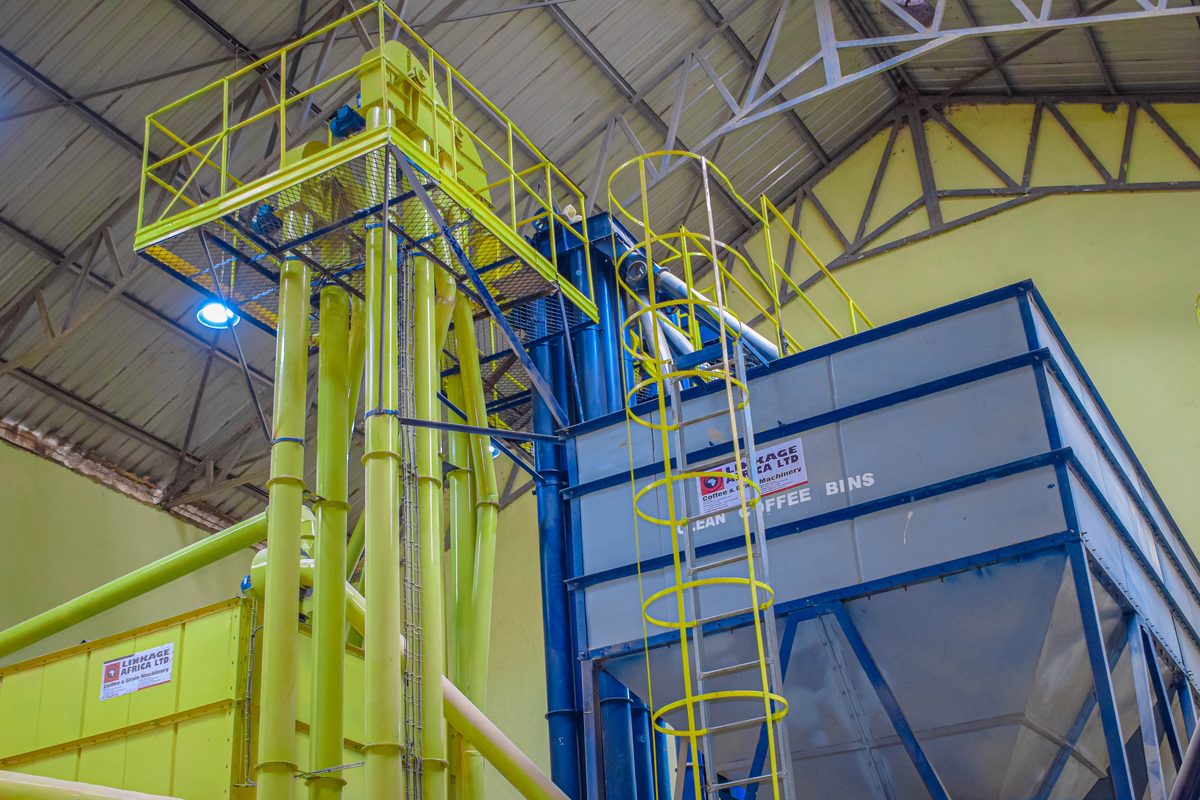
Dry parchment comes to the Union mill in Kerugoya, where hulling and cleaning release the green bean.
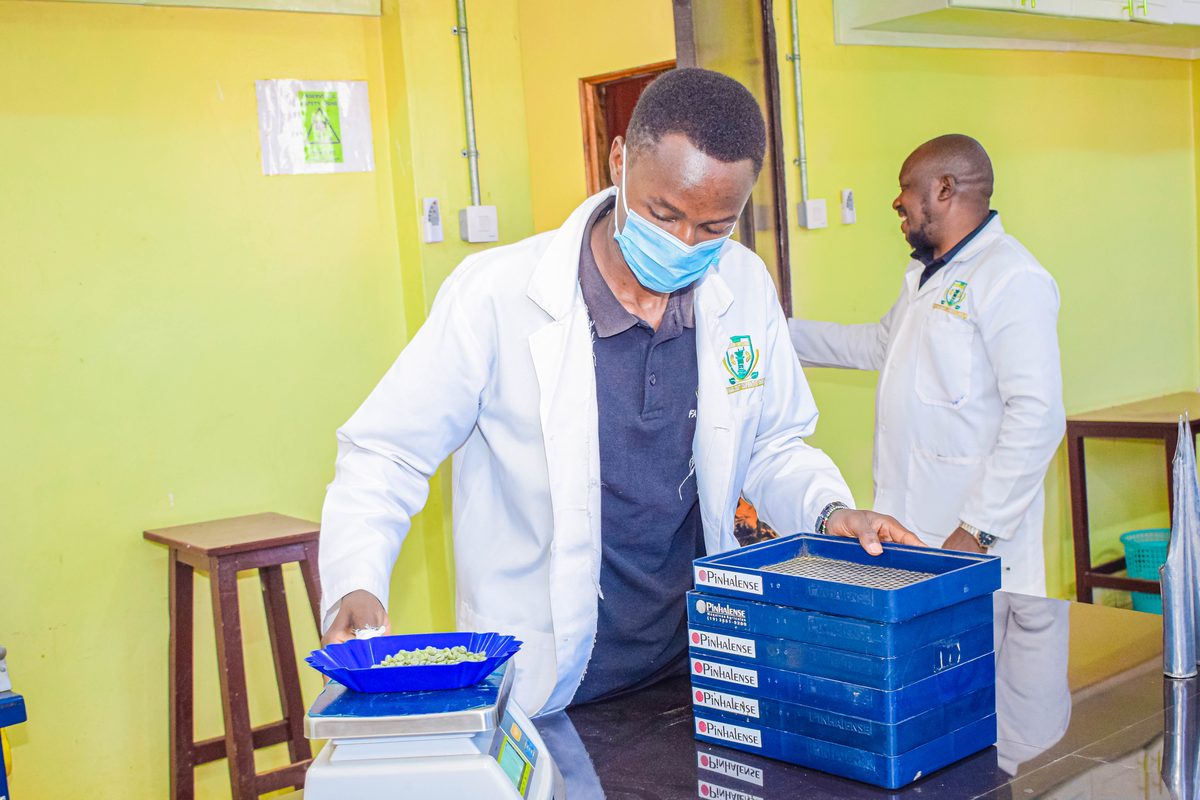
Screens and gravity tables sort the bean into AA, AB, PB, C, E, TT and MBUNI before it is weighed into lots.
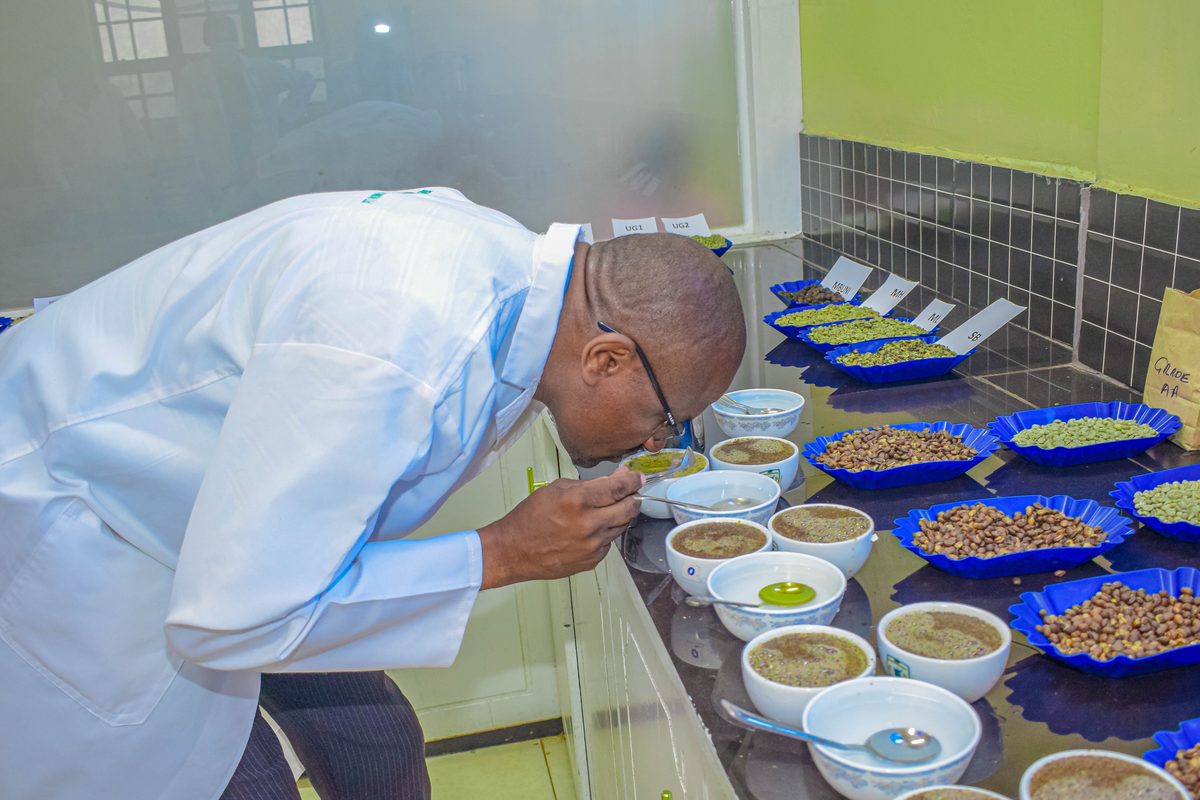
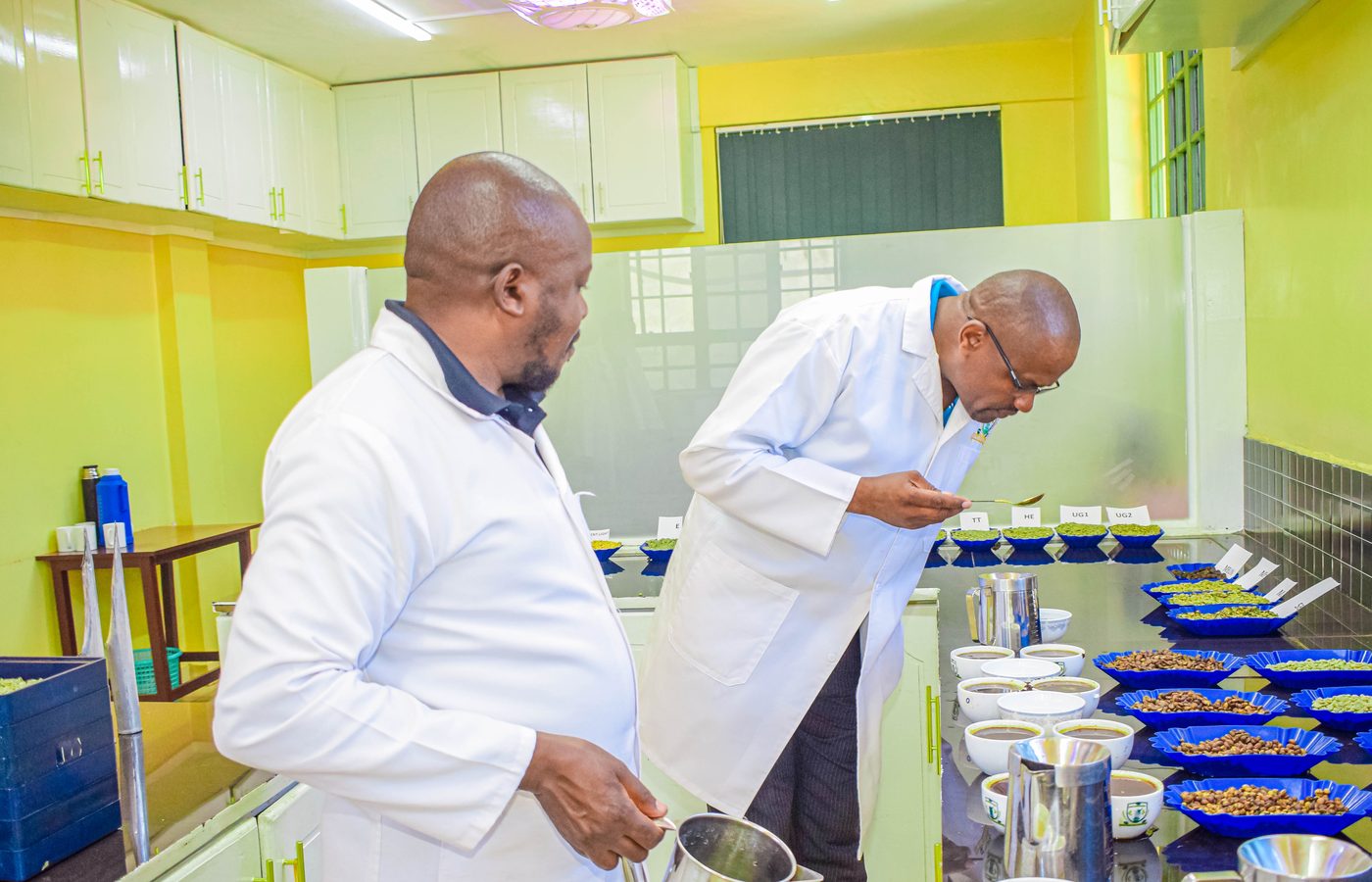
Every outturn is roasted and cupped in the Union laboratory, and the score follows the lot to the auction floor.
A professional shoot of our mill, factories and farmers is planned — stand-in imagery marks each frame of the shot list.
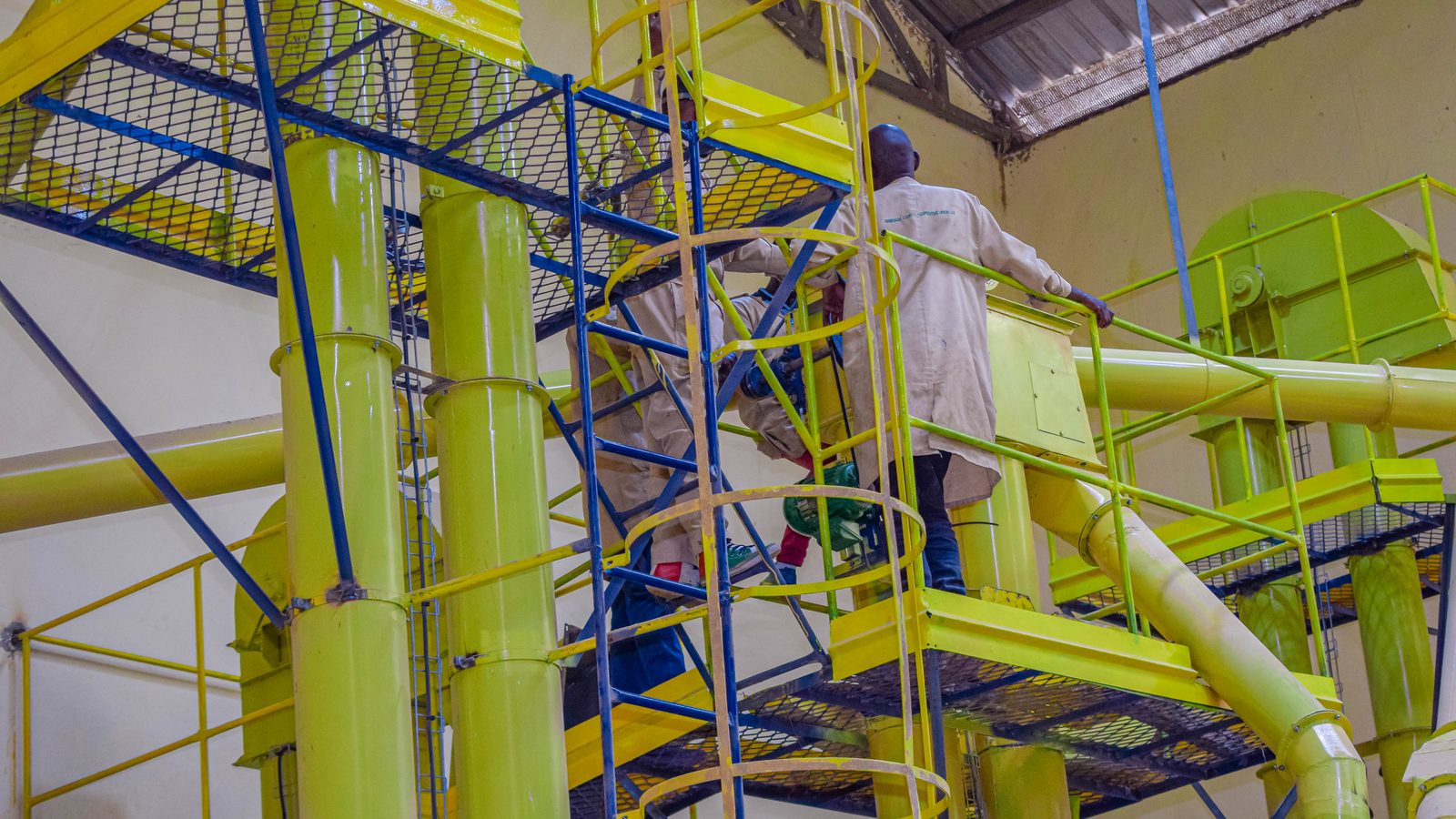 The milling plant
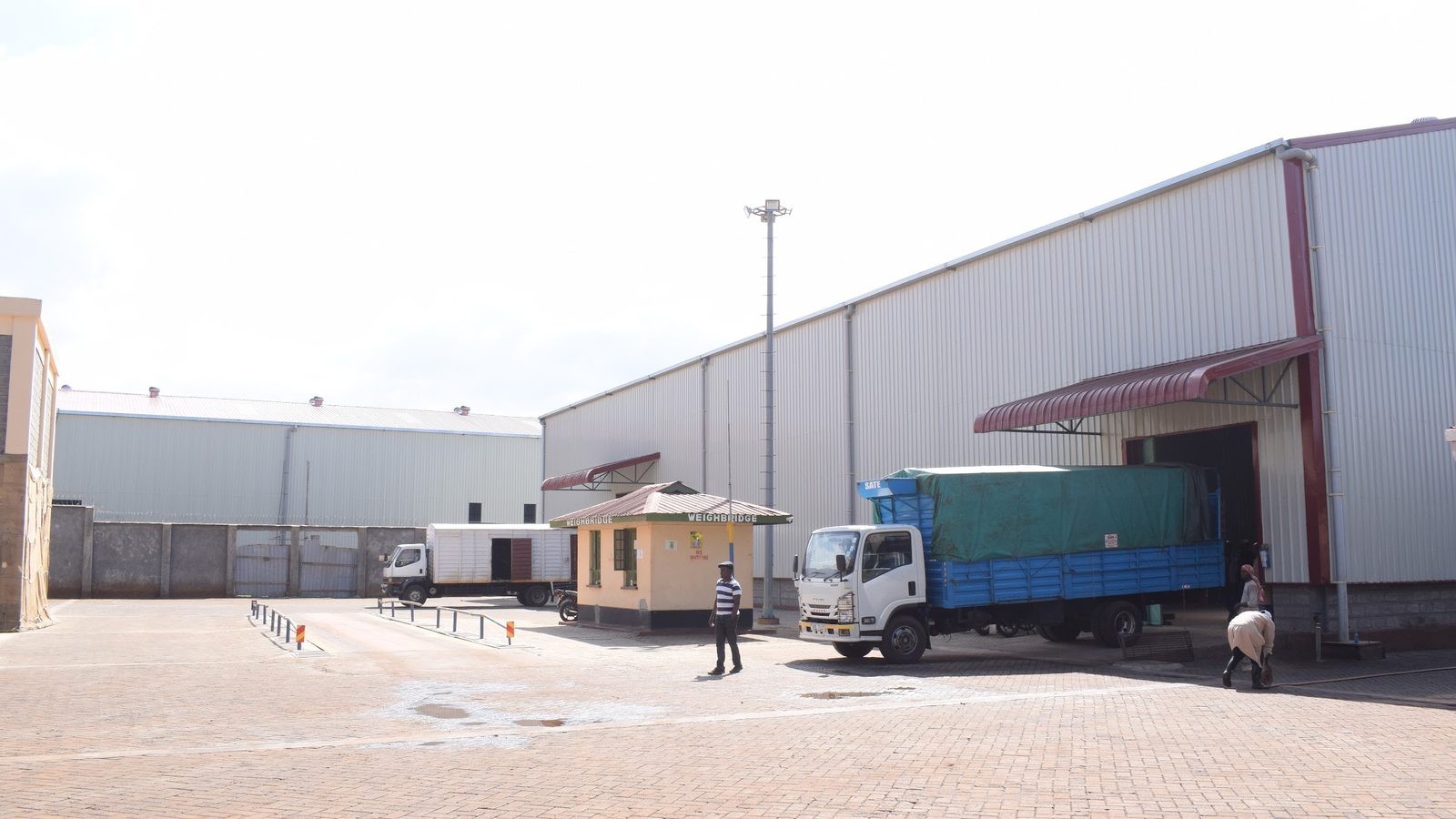 Delivery yard
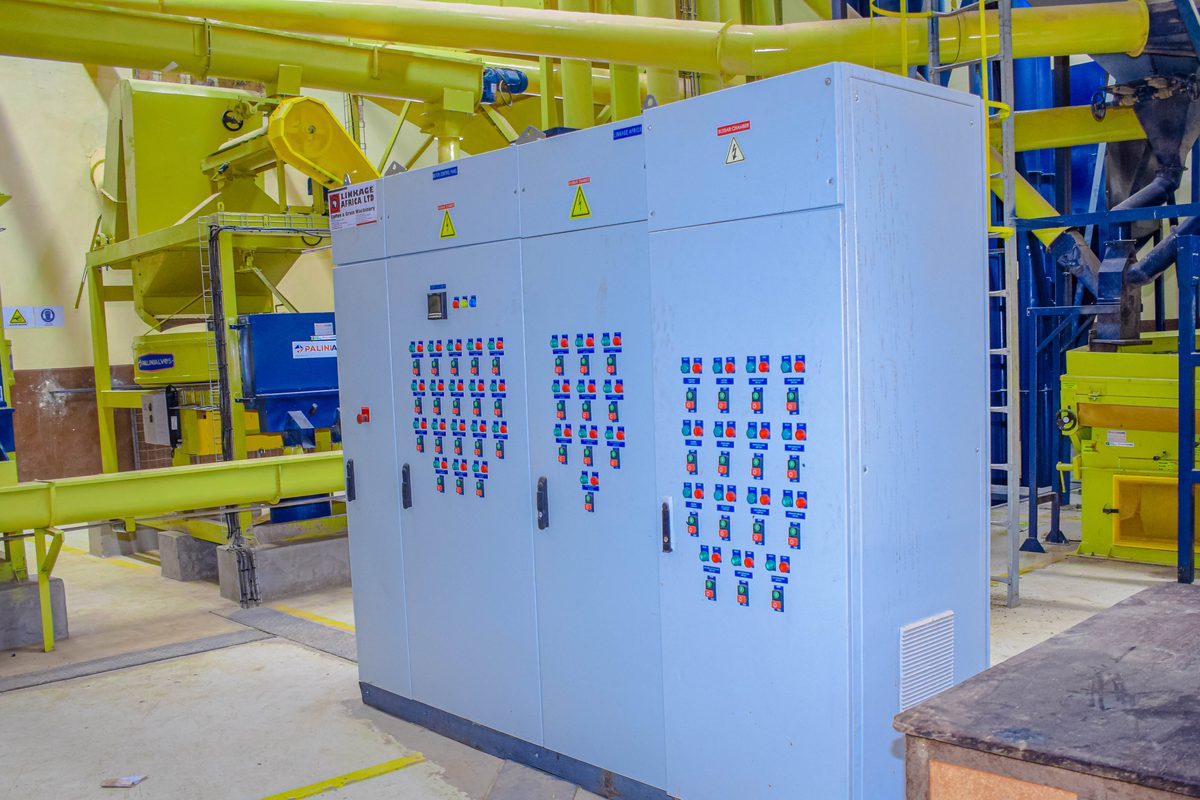 Plant control