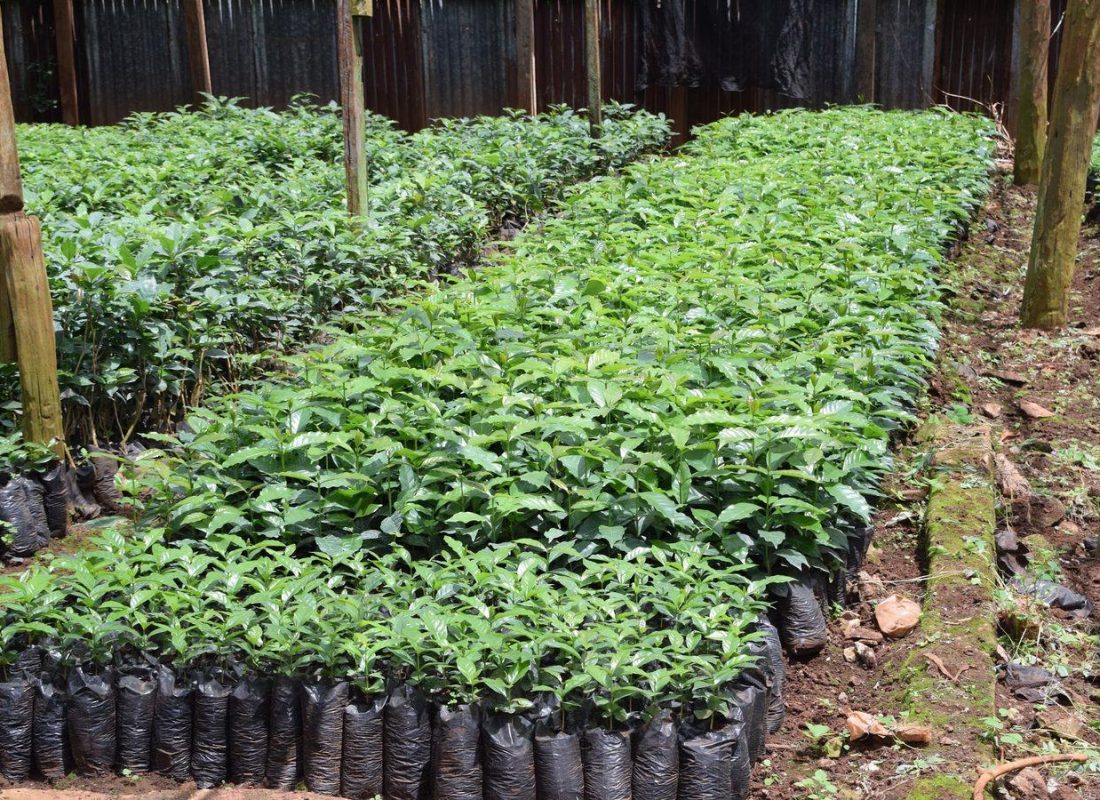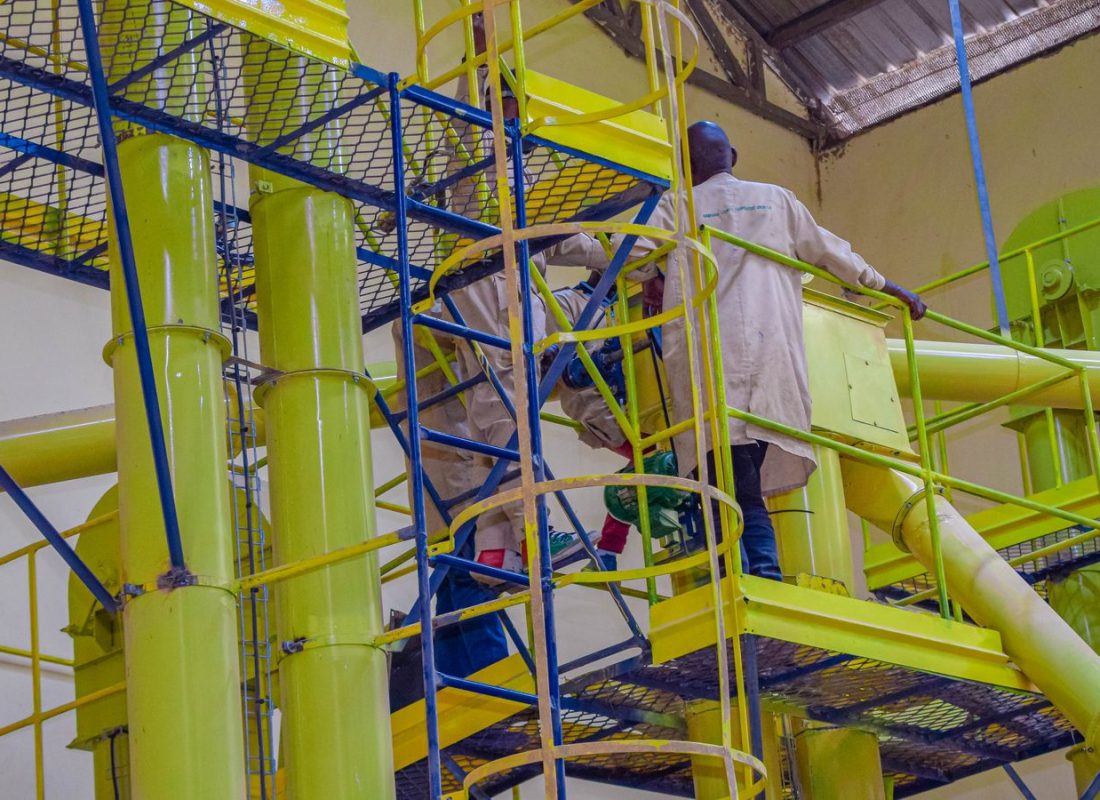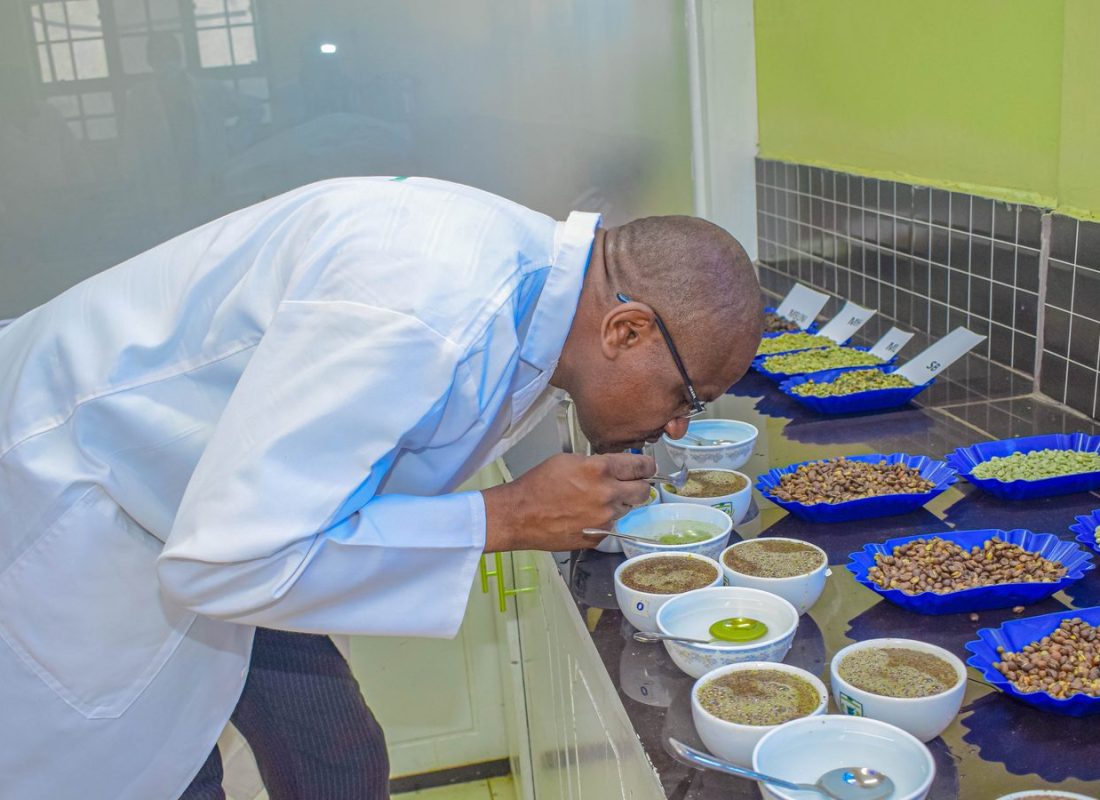
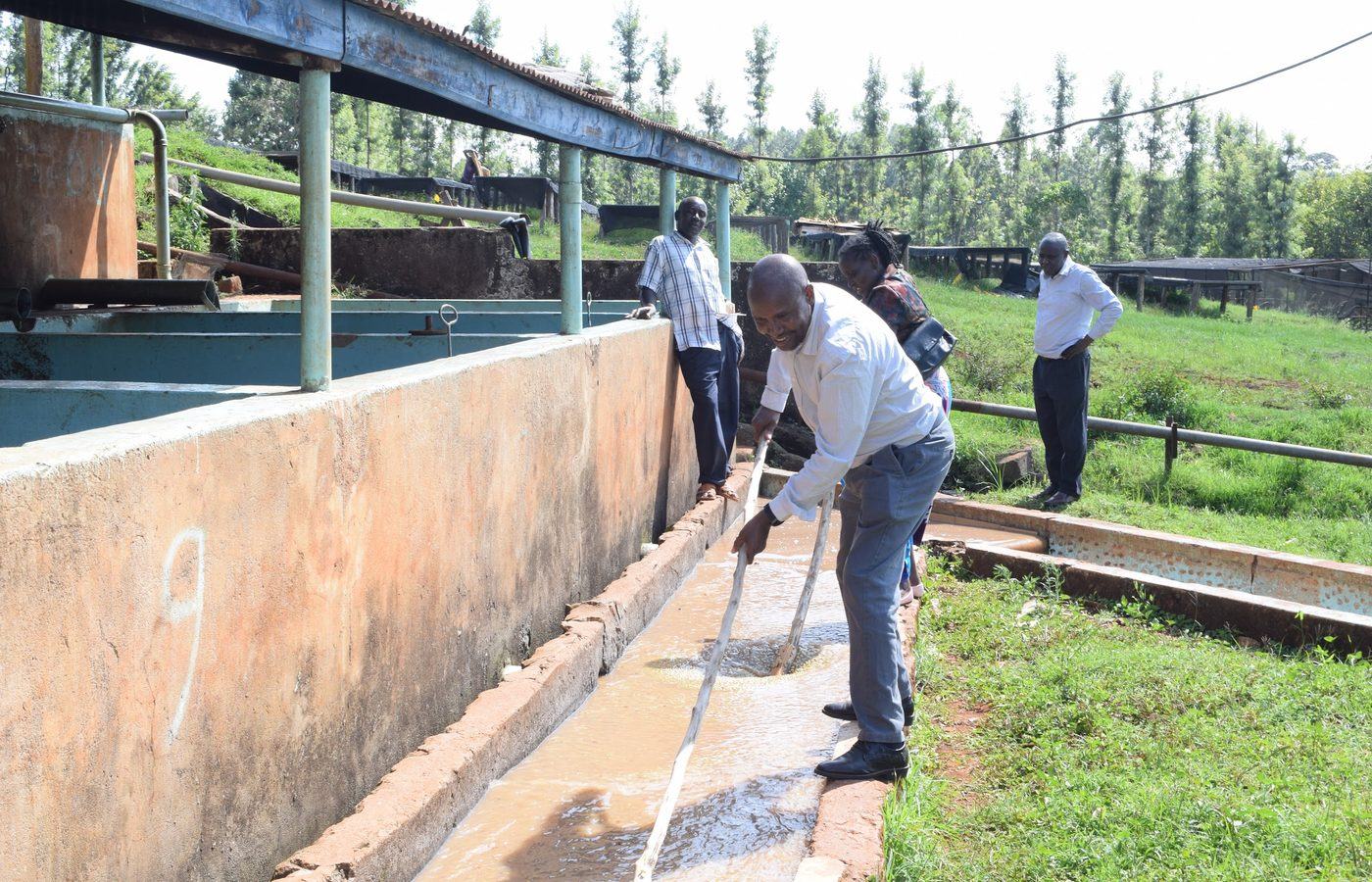
In specialty coffee processing, water is not just a carrier—it is a terroir ingredient. Across Kirinyaga’s 65 coffee factories, wet milling relies exclusively on glacial meltwater and pristine runoff descending directly from Mount Kenya’s alpine rainforests.
Rivers like the Kii, Riakiania, Rupingazi, and Murubara supply crystal-clear, mineral-balanced water that keeps fermentation temperatures cool and prevents unwanted ferment taints.
The Kenya Double-Fermentation Protocol
Traditional wet milling in Kirinyaga follows a rigorous, multi-stage process that has been refined over seven decades:
- Selective Hand-Harvesting: Farmers hand-pick only deep, ruby-red ripe cherries. At factory gates, floating tanks remove un-dense “mbuni” before disk pulping.
- Primary Dry/Wet Fermentation: Cherries are disk-pulped and directed into clean tiled fermentation tanks. The mucilage breaks down over 12 to 24 hours under cool highland night temperatures.
- Washing & Channel Grading: Fresh river water is introduced to wash the parchment through grading channels, separating dense high-grade beans from lighter fractions.
- Clean Water Soak: High-grade parchment is submerged in fresh, cool river water for an additional 16 to 24 hours. This classic Kenyan soak encourages enzymatic refinement, stabilizing bean cellular integrity.
- Raised African Beds: Parchment is dried slowly on elevated mesh tables for 9 to 15 days, turned constantly, and shaded during peak midday heat.
“By allowing parchment to dry slowly under cool mountain breezes, moisture content stabilizes precisely between 10.5% and 11.5%, preserving vitality for oceanic transit to international roasters.”
This commitment to time-honored artisanal washing is why coffees from factories like Muchagara, Kii, Guama, and Karimikui remain benchmark lots on the world specialty stage.